Polyurethane Shaker Screens for Wet Clay and Slurry Screening
If you have ever spent a shift troubleshooting a wet shaker deck that blinded over with sticky clay mid-run, forcing your whole processing line to slow to a crawl while your crew scrapes apertures clean on a slippery, mud-caked surface, you know how much a failing screen can drain your operation’s time and profit. After years working with mineral processing, aggregate, and tailings recovery teams across North China, I have seen far too many operations waste tens of thousands of dollars replacing cheap woven wire media that tears, clogs, or corrodes within weeks under constant exposure to slurry, sharp fine particles, and nonstop high vibration. This practical, field-tested guide breaks down exactly how heavy-duty purpose-built polyurethane shaker screens solve these persistent wet screening pain points, drawing on real on-site lessons generic supplier marketing never shares.
Hydrolysis-Resistant Formulation Built For Nonstop Wet Operation
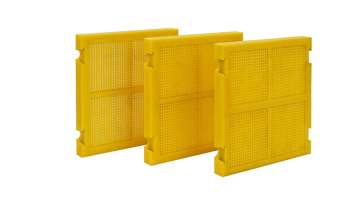
The first non-negotiable advantage of a purpose-built wet screening unit is its specially engineered polymer blend that resists moisture-induced breakdown, a trait no generic dry-use polyurethane or standard woven wire screen can match, making a high-quality Polyurethane Shaker Screen last 3 to 5 times longer than traditional media in high-moisture processing environments. Top-tier local manufacturers mix specialized hydrolysis inhibitors directly into their raw polyurethane resin, so the material will not absorb process water, swell, turn brittle, or crack even after months of nonstop contact with mineral slurry, muddy crushed rock, or mildly chemically active tailings water. They also tune the exact shore hardness of the final material to strike a perfect operational balance: soft enough to absorb sharp fine particle impact and resist gouging, but firm enough to hold its shape and maintain precise, consistent aperture dimensions even under full continuous high-volume slurry flow. This targeted formulation eliminates the two most common premature failure modes that plague standard wet screening media: sudden tearing from abrasive particle shear, and slow hidden material degradation that makes the screen crumble apart long before its advertised service life.
Tapered Anti-Blinding Aperture Design For Sticky Fine Feed
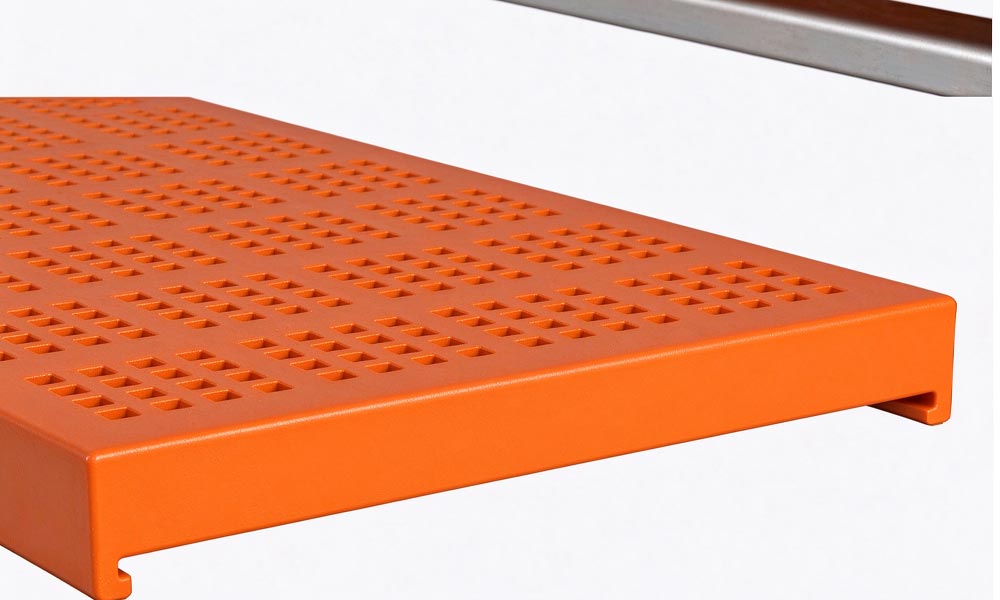
The second core performance benefit comes from precision-machined tapered apertures that are shaped specifically to prevent sticky wet near-size particles from wedging tight and blocking flow completely, a feature no standard woven wire mesh can replicate, and this design makes a well-built Polyurethane Shaker Screen run 2 to 3 times longer between required manual cleaning stops. Instead of sharp-edged, uniform square openings that catch and trap clay, wet silt, or fine mineral particles, these apertures widen gently from the top feed surface down to the bottom discharge side, so every time the shaker oscillates at high frequency, stuck particles naturally fall through instead of lodging permanently in the opening. Premium local models also use a staggered non-aligned aperture layout that breaks up continuous slurry flow, spreading wet material evenly across the full deck surface instead of letting it channel through a few high-flow zones that quickly clog completely. This anti-blinding design drastically cuts the amount of time your maintenance crew has to climb onto slippery, mud-covered decks to scrape clear blocked openings, eliminating a huge source of both unplanned downtime and on-site workplace safety risk.
Modular Drop-In Fit For Fast, Low-Labor Installation And Maintenance
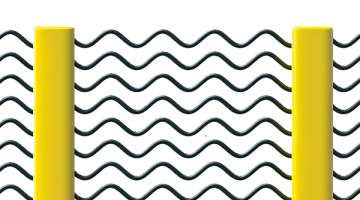
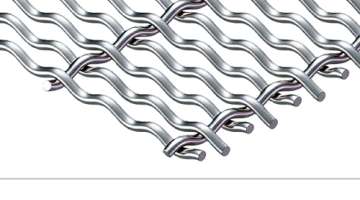
The third major practical advantage for on-site operations teams is the universal modular design that matches the exact mounting footprint and fastening system of almost every popular wet shaker machine used in local mining and aggregate sites, so no custom on-site fabrication or permanent deck modification is ever required, making a heavy-duty Polyurethane Shaker Screen far easier to install and maintain than full continuous wire mesh panels. Unlike woven wire that requires precise, labor-intensive tensioning across the entire deck to avoid sagging and premature uneven wear, these modular panels lock directly into your existing screen frame with simple, easy-to-tighten fasteners, so a two-person crew can swap out an entire full deck of panels in less than an hour, compared to the 3 to 4 hours it takes to stretch, tension, and secure a new full continuous wire mesh screen. The modular design also means you only need to replace the individual small panels that show localized heavy wear near the high-volume feed zone, instead of throwing away an entire full screen surface just because one small section tore or wore through. Most specialized regional suppliers also stock all common industry sizes in local warehouses across Hebei and surrounding provinces, so you can get emergency replacement panels delivered to your site within 24 hours if you have unexpected localized damage, eliminating the risk of multi-day downtime waiting for custom fabricated wire mesh from distant factories.
Stable Separation Performance That Cuts Final Product Moisture
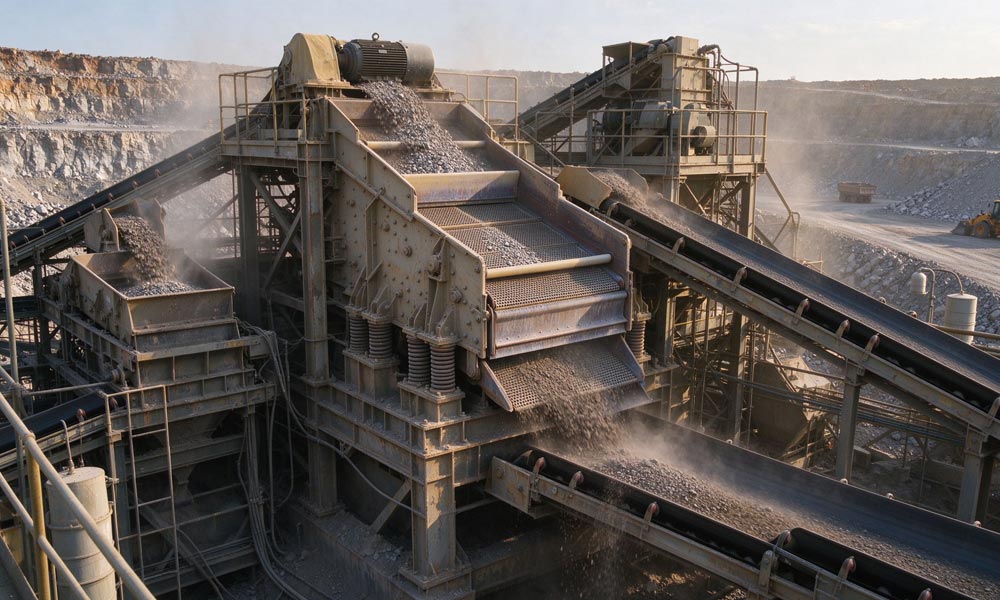
The final, most impactful operational benefit is the consistent, predictable separation performance these panels deliver even under messy, variable wet feed conditions, which directly boosts your final product quality and reduces the load on all your downstream processing equipment, making a premium Polyurethane Shaker Screen one of the highest-return upgrades for any local wet processing line. Unlike woven wire that stretches and distorts its aperture shape after a few hundred hours of continuous high-vibration operation, these rigid but flexible polyurethane panels hold every single opening to its exact original design size for their entire service life, so you never get unexpected oversize material slipping through to contaminate your final dewatered concentrate or manufactured sand product. Their smooth non-stick surface also lets free water drain through the deck far faster than rough, textured woven wire, reducing the moisture content of your final discharged product by 2 to 4 percent in most real-world local applications. This lower final moisture cuts the load on your downstream filters, dryers, or stockpile processing steps, reducing energy use and eliminating costly extra reprocessing work that wastes time, labor, and fuel.
At the end of the day, upgrading your wet screening circuit to heavy-duty polyurethane shaker screens is far more than just swapping out one wear part for another; it is a targeted, low-risk fix that solves almost all the most frustrating, costly pain points that come with running wet screening operations in local mineral and aggregate processing sites. The moisture-resistant durable material, anti-clog aperture design, fast modular installation, and consistent high-efficiency dewatering performance combine to slash unplanned downtime, cut your ongoing media replacement costs, and deliver far more uniform final product quality. For operations tired of constantly patching torn wire mesh, sending crews onto slippery decks to clear clogs, and dealing with inconsistent high-moisture finished product, this simple upgrade will deliver immediate, measurable improvements to your entire wet processing line’s long-term profitability.