How to Choose the Right Aperture Shape for Polyurethane Mining Screen
If you’ve ever installed a brand new set of screen panels on your processing deck only to realize 3 days later that you picked the wrong aperture shape, letting tons of high-value fine ore slip through the oversize pile or blinding up completely with sticky wet coal, forcing you to shut down the whole line for hours of emergency rework to swap out every single panel, you know exactly how much a single bad aperture choice can derail your whole weekly production schedule, waste thousands in lost revenue and leave you scrambling to patch together a temporary workaround to hit your delivery targets. After years of chatting with mine operations and maintenance leads across northern China’s coal washing plants, iron ore processing sites and non-ferrous mineral yards, nearly every single one shared that they used to just pick standard square apertures for every application, until they tested different shapes and realized the right aperture design could boost their total screening efficiency by 30% or more. This no-fluff field-tested guide breaks down exactly how to pick the right aperture option on a quality Polyurethane Mining Screen Mesh for every different material type, no empty marketing buzzwords, just insights pulled straight from hundreds of real on-site operational logs.
Standard Square Aperture Delivers Maximum Open Area for Dry Coarse Aggregate
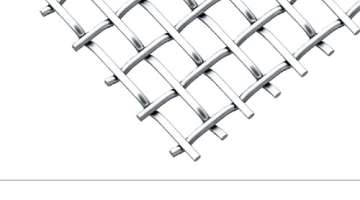
When it comes to Polyurethane Mining Screen Mesh, the go-to choice for most people is the classic square aperture. It’s simple and symmetrical—nothing fancy, just square holes lined up evenly across the panel. This design gives you the highest possible open area, which is exactly what you want when you’re dealing with free-flowing, dry, and chunky materials like crushed granite, dry coal lumps, or hard run-of-mine ore—basically anything that doesn’t have sticky clay. The even spacing means all the right-sized coarse chunks fall through fast, with no clogs, while the thick polyurethane ribs handle the pounding from big, rough rocks without wearing out. Square apertures really shine in dry scalping and coarse sizing jobs where your material moves easily, and you care about speed, not getting every near-size crumb through the mesh. Aggregate operations using square panels for primary sizing decks actually saw their hourly throughput jump by 15% compared to slotted options—as long as they kept feed moisture below 3%, it just worked.
Long Slotted Aperture Eliminates Wedging for Sharp Elongated Mineral Particles
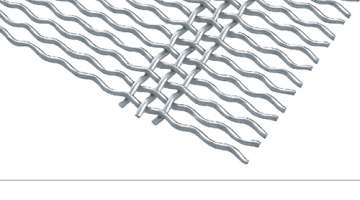
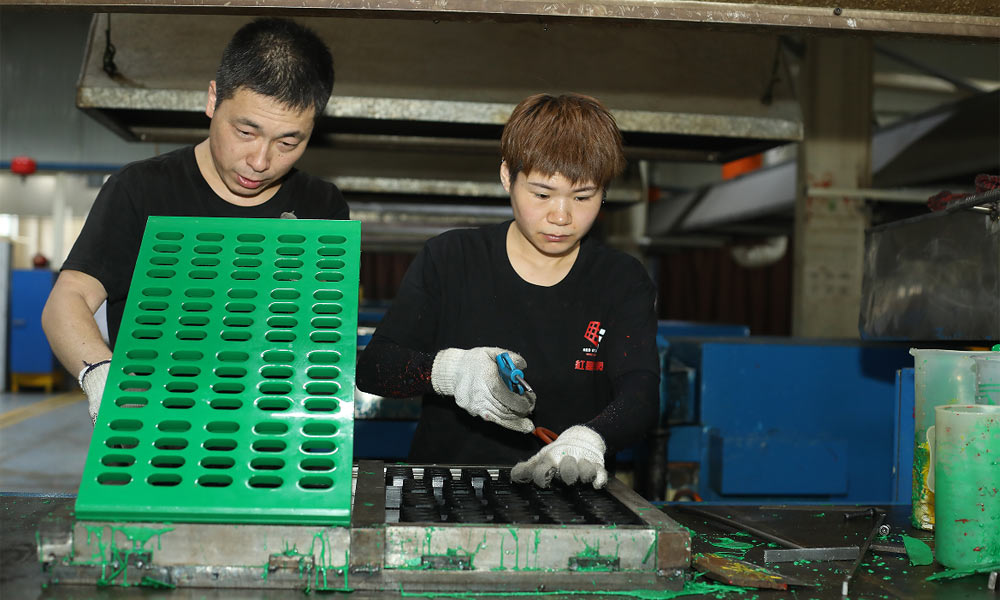
But if you need to screen sharp, flaky, or needle-like particles that jam up in square holes, you want a mesh with long, narrow slotted apertures instead. These slots run in the same direction as the material moves, which forces anything sharp or elongated—like mica flakes, shale chips, silica needles, or spiky coal—to turn lengthwise to go through. No more sideways jamming or blinding the deck with stuck particles. Mining plants screening flaky non-ferrous ore cut blinding by more than 70% just by switching to properly oriented slotted apertures. The open area stayed high through their entire 12-hour shifts, keeping everything running smoothly.
Tapered Upside-Down Aperture Prevents Blinding for Damp Fine Coal and Ore
For processing damp, sticky fine coal or clay-rich fine ore that would instantly blind a standard square opening, the inverted tapered aperture design on a high-performance Polyurethane Mining Screen Mesh is the most effective option, a shape that is narrower at the top feed side and wider on the bottom discharge side, with zero sharp internal corners for sticky fine particles to lock into. Near-size damp fine particles that try to wedge into the top of the opening automatically have extra space to fall through on the underside, so they can never get packed tight and seal the aperture shut. This aperture type is specifically built for high-moisture fine coal dewatering, weathered clay ore sizing and wet fine mineral processing where standard square apertures blind over completely in less than an hour of operation. Coal washing plants processing high-moisture fine slack coal reported that blinding-related manual clearing work dropped by more than 90% after switching to tapered apertures, and their final dewatered product moisture content improved by 3 percentage points.
Custom Sieve Bend Aperture Optimizes Dewatering for Fine Slurry Material
For fine slurry dewatering and classification applications where you need maximum water drainage efficiency without letting fine solid particles slip through, the custom curved sieve bend aperture on a specialized Polyurethane Mining Screen Mesh is the purpose-built solution, a narrow precisely calibrated slotted opening oriented perpendicular to material flow that lets free water drain through instantly while retaining almost all fine solid particles. The ultra-narrow precision slots are cast to exact micron-level tolerances, so you can perfectly separate fine slurry water from your target fine mineral or coal particles without losing high-value fine material down with the effluent. This aperture type is ideal for coal tailings dewatering, fine iron ore concentrate classification and mineral slurry recovery work where sharp separation accuracy is non-negotiable. Mineral processing plants using these custom sieve bend apertures for concentrate dewatering found that fine solid recovery rate increased by more than 12%, drastically cutting down high-value material loss in their tailings pond.
By picking the exact right aperture shape and size on a quality Polyurethane Mining Screen Mesh matched to your specific material properties, moisture content and separation goal, you can completely eliminate most common blinding, wedging and mis-separation issues, drastically boost your total screening efficiency, and get far better long-term performance out of every single panel you install on your processing deck.