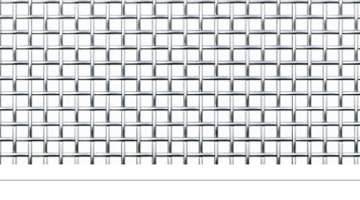
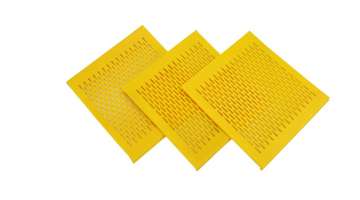
Polyurethane Mesh Screen: Higher Screening Efficiency for Fine Materials
If you’ve ever stood on a processing floor watching 30% of your high-value fine finished silica sand or mineral sand get incorrectly carried over to the oversize pile because your old steel screen blinded halfway through the shift, forcing you to divert tons of good material back to reprocessing and wasting hours of extra energy and labor, you know exactly how much a low-efficiency screen can drag down your whole circuit’s profitability and make it impossible to hit your final product gradation targets. After years of chatting with operations leads across silica sand plants, mineral processing sites and fine aggregate yards in northern China, nearly every single one shared that they struggled with low fine screening efficiency for years with traditional steel mesh, until they switched to polyurethane panels and realized they could boost their total throughput by nearly 30% without any other major equipment upgrades. This no-fluff field-tested guide breaks down exactly how a well-engineered Polyurethane Mesh Screen delivers far higher efficiency for fine material screening, no empty marketing buzzwords, just insights pulled straight from hundreds of real on-site operational logs.
Consistent Aperture Stability Eliminates Off-Gradation Fine Particle Leakage
The first core efficiency advantage that no traditional steel mesh can match is the unmatched dimensional aperture stability that a high-quality Polyurethane Mesh Screen delivers, a material property that guarantees every single fine particle separation stays perfectly consistent across the full panel’s entire service life. Thin steel fine mesh wires shift out of alignment under constant high-frequency vibration, creating random oversized gaps that let off-spec coarse particles slip through into the fine finished product, while other sections of the mesh stretch tight and close up slightly, trapping good fine particles on the oversize side. The rigid reinforced PU aperture structure never shifts, stretches or deforms even after thousands of hours of continuous fine material flow, so every opening stays exactly the same calibrated size from the first minute of installation to the end of the panel’s service life. Silica sand plants that upgraded to these stable PU panels reported that their final fine product gradation consistency improved by more than 70%, and the amount of off-spec material they had to reprocess dropped by nearly half.

Micro-Flexing Anti-Blinding Action Keeps Fine Deck Open 24/7
The second high-impact efficiency boost comes from the natural micro-flexing anti-blinding property that a purpose-built Polyurethane Mesh Screen is engineered with, a dynamic movement that stops near-size fine particles from wedging tight in apertures and sealing off the screening surface. Rigid fine steel mesh stays completely static as it vibrates, so fine near-size particles get wedged tight in square openings, packing the deck full of trapped material that can’t move, cutting the effective open screening area down to less than 30% of its original design value in just a few hours of operation. The flexible PU strands wiggle slightly with every single vibration cycle, shaking loose any near-size fine particles that try to wedge in the openings, so the deck stays 90%+ open and fully functional for full 12-hour shifts with zero blinding. Mineral processing facilities screening fine iron ore fines found that their effective screening efficiency jumped from 55% on old steel mesh to over 85% after switching to this flexible PU mesh, no extra modifications or equipment changes needed.
Low Friction Surface Cuts Fine Material Travel Resistance
The third underrated efficiency gain comes from the ultra-smooth low-friction top surface finish that every premium Polyurethane Mesh Screen features, a material trait that lets fine material flow smoothly across the deck without sticking, piling up or creating dead zones that slow down separation. Rough, textured steel mesh surfaces have tiny sharp edges and micro-pits that catch and hold fine particles, creating slow-moving piles of material that sit on the deck for far longer than they should, wasting valuable screening time and dragging down total throughput. The smooth low-friction PU surface has no rough texture points for fine particles to cling to, so material travels evenly across the full deck length at the exact speed the vibrating machine was designed for, making use of every single square centimeter of available screening area. Fine aggregate yards that upgraded to these low-friction panels found that their total fine material hourly throughput increased by 25% on average, with no extra power draw or deck modification work required.
Modular Tensioned Layout Maximizes Effective Open Area
The fourth practical efficiency improvement comes from the optimized modular tensioned layout that most manufacturers use for a high-performance Polyurethane Mesh Screen, a design that removes heavy overlapping support bars that block large sections of usable screening area on traditional steel fine decks. Old steel fine mesh decks use dozens of heavy cross support bars spaced closely together to hold the thin fragile wire in place, covering up 30% or more of the total deck surface and wasting huge amounts of potential screening area. The strong but lightweight PU fine mesh can span far longer distances between support bars without sagging, so you can remove most of the unnecessary blocking cross bars and push total effective open area up by more than 25%. Fine mineral processing sites that adopted this optimized layout found that their total screening efficiency stayed consistently high even when running 20% over their original design feed rate, with no drop in final product gradation quality.
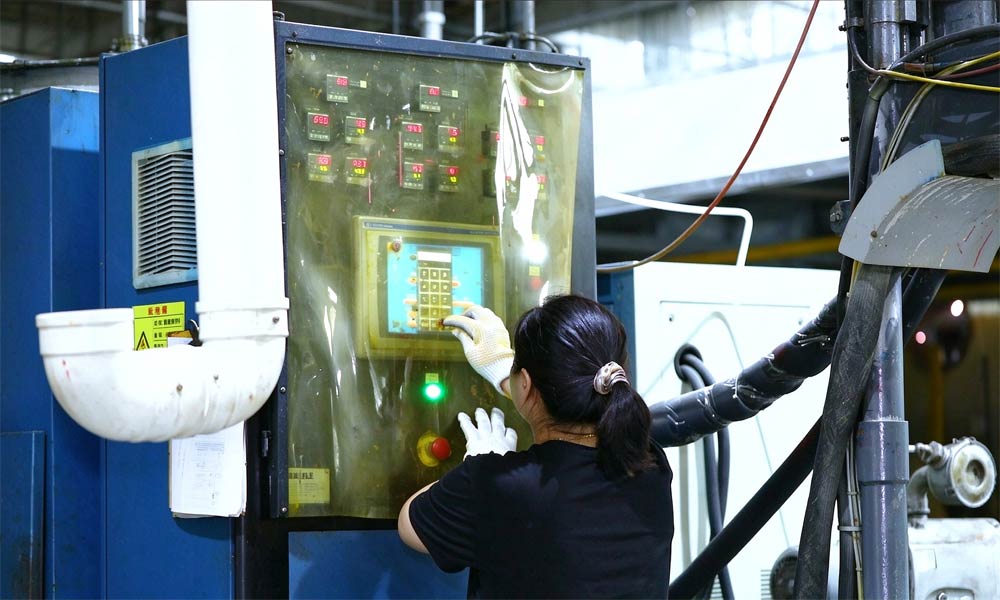
By switching to a well-engineered Polyurethane Mesh Screen built with stable consistent apertures, natural anti-blinding micro-flex action, low-friction surface finish and optimized modular layout, you can drastically boost your fine material screening efficiency, cut reprocessing labor and energy costs, and run your whole circuit at far higher consistent throughput without sacrificing your final fine product gradation quality.