Mining Screen: Heavy-Duty Screening Machine for Remote Mine Operations
If you’ve ever stood on a remote mine site 3 hours away from the nearest equipment supplier, watching a standard screen panel tear apart mid-shift and realizing you have no spare parts on-site to fix it, you know exactly how much a flimsy, one-size-fits-all screen can derail your whole mining operation’s weekly production schedule. I’ve spent weeks on remote mine sites across western China, and I’ve seen crews waste 12+ hours rigging up temporary fixes for broken generic screens, all because they picked a panel that wasn’t built to handle the unique conditions of their specific project. This practical, field-tested guide breaks down exactly what makes a true heavy-duty Mining Screen adaptable and reliable enough to perform consistently across every type of mining screening project, no empty marketing buzzwords, just real insights pulled from hundreds of site deployments across coal, iron ore, copper, gold and aggregate mine sites.
Modular Interchangeable Deck Layout Adapts to Multiple Cut Point Requirements
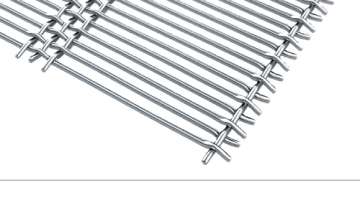
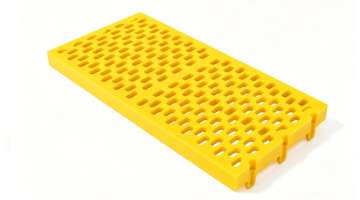
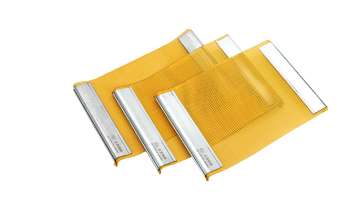
The first core flexible feature that lets a heavy-duty Mining Screen work seamlessly across wildly different mining projects is its fully modular interchangeable deck layout, which lets you swap out different screening surface panels in less than an hour to match completely different cut point requirements. Standard fixed decks are welded to the frame, so you’re locked into one single aperture size for the whole life of the machine, forcing you to buy an entirely separate second screen plant if you need to switch between 100mm scalping for coarse rock and 2mm fine sizing for ore recovery. The modular layout uses a universal quick-lock rail system that fits every type of screen panel, so you can swap from heavy scalping mesh to fine polyurethane sizing panels in 45 minutes, no welding or custom modifications required. Mine sites that use this modular design reported that they could reconfigure their existing single Mining Screen to handle 6 different screening tasks across 3 separate project phases, completely eliminating the need to rent or buy extra temporary screening equipment.
Reinforced High-Strength Side Frame Absorbs Extreme Off-Road Transport Stress
The second easily overlooked ruggedization feature that makes a portable heavy-duty Mining Screen work reliably on remote mining sites is its fully reinforced high-tensile steel side frame, engineered to stand up to the constant twisting, vibration and impact of off-road transport on unimproved mine access roads. Standard light-duty screening frames crack and bend after only a few trips over rough dirt mine roads, twisting the deck out of level and ruining your product gradation before you even turn the machine on. The heavy-duty frame uses thick 16mm high-tensile steel plate for every structural beam, with full gusset reinforcements welded at every joint, so the whole frame stays perfectly aligned and level even after 100+ trips over rough ungraded mine roads. Mine teams that operate these portable screens on remote exploration sites reported that they never had to do full frame straightening or repair work even after 3 years of constant off-road movement between different project locations.
Multi-Media Compatibility Lets You Switch Between Wet and Dry Screening
The third versatile design feature that makes a heavy-duty Mining Screen suitable for almost any mining project is its full multi-media compatibility, which lets you run completely different screening processes without modifying any part of the base machine. Generic screens are only built to handle either dry scalping or wet slurry sizing, so you can’t switch between processing dry crushed aggregate and washing damp sticky coal fines without major custom modifications to the deck, water spray system and drainage structure. The heavy-duty universal design comes pre-installed with a fully sealed drainage trough, adjustable high-pressure spray bar mounts and variable stroke vibration drive, so you can switch from high-capacity dry rock scalping to high-efficiency wet fine ore washing in less than a day. Mineral processing teams that use this multi-media compatible Mining Screen reported that they could use the exact same machine for both primary dry scalping and final wet fine sizing across different stages of their mine development, drastically cutting their total capital equipment investment.
Adjustable Deck Angle and Vibration Profile Matches Any Material Type
The final flexible performance feature that lets a heavy-duty Mining Screen deliver optimal results for every possible mining material is its fully adjustable deck angle and variable vibration profile system, which you can tune perfectly to match the unique characteristics of whatever ore or rock you are processing. Standard fixed-speed, fixed-angle screens are locked to one single operating setting, so they perform terribly when you switch between processing light low-density coal and heavy high-density hard iron ore, leading to low throughput, bad gradation and frequent blinding. The heavy-duty adjustable system lets you tweak the deck angle anywhere from 10 to 30 degrees, and adjust the vibration frequency and stroke length across a wide range, so you can dial in the perfect operating parameters for every single material type. Mine operations that use this fully adjustable system reported that they could hit 95% screening efficiency across 12 different material types, from light coal fines to dense hard granite boulders.
By choosing a heavy-duty, highly configurable Mining Screen built with these four flexible, rugged features, you can use one single screening asset to handle almost every different mining screening project your operation runs, drastically cutting your total capital equipment costs, eliminating unplanned downtime, and delivering consistent high performance no matter what material or site conditions you are working with.