Flat-Top Woven Screen vs Ordinary Woven Screen
If you’ve ever stood in your aggregate plant’s maintenance shop staring at two stacks of woven screen panels, trying to figure out why one costs 30% more than the other and whether that extra investment will actually pay off in less downtime and longer service life, you know how hard it can be to separate real performance differences from marketing fluff. Many quarry and mining operations supervisors I’ve worked alongside over the years shared that they spent years bouncing back and forth between cheap standard panels and more expensive upgraded options, never really understanding exactly what they were paying for, until they ran a side-by-side 3-month test on their own decks. This practical, field-tested guide skips generic sales talking points and breaks down the real, measurable differences between a flat-top woven screen and ordinary woven screen, using real-world performance data collected directly from high-volume aggregate and mine processing decks.
Surface Profile and Wear Distribution Difference
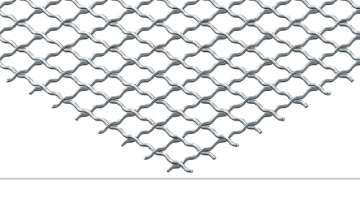
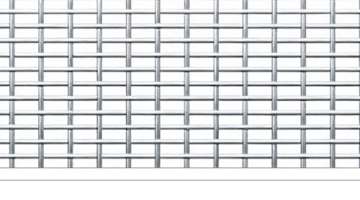
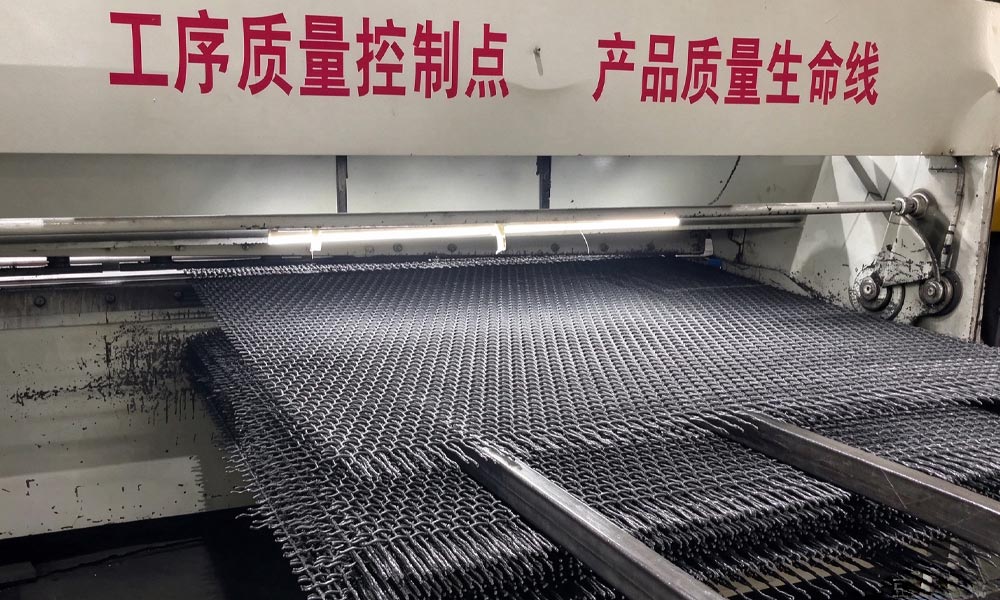
The first most obvious, high-impact difference between a flat-top woven screen and ordinary woven screen is their top surface profile, which completely changes how abrasive aggregate and ore wear down the mesh over time. An ordinary woven screen uses a standard interlocked crimped weave that leaves sharp, raised ridged peaks at every single wire intersection, where the crimped wires bend over each other, and 100% of the heavy impact force and abrasive scouring from thousands of tons of sharp crushed material lands directly on these narrow raised ridges. These small peaks wear deep, sharp grooves in just a few weeks of continuous operation, until the wires snap completely, even if the rest of the wire surface is still almost brand new. A flat-top woven screen takes the exact same interlocked weave pattern and adds an extra post-production grinding step that levels every single raised crimp peak completely flat, creating a perfectly even, unbroken smooth top surface across the entire panel. This spreads the total abrasive wear force evenly across the full width of every single wire, instead of concentrating all the damage on tiny narrow peaks, making the panel total usable service life 2.5 to 3 times longer than an ordinary woven screen running in the exact same application.
Aperture Geometry and Blinding Resistance Difference
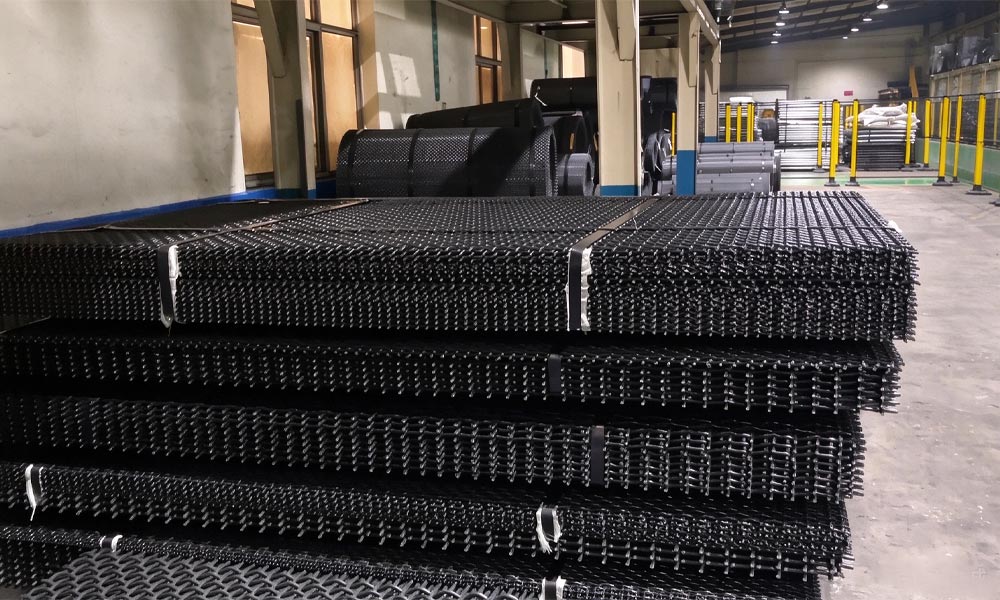
The second critical performance gap between a flat-top woven screen and ordinary woven screen is their aperture edge design, which creates a massive difference in how prone each panel is to pegging and blinding when processing high-finesse, sticky wet material. An ordinary woven screen has uneven, jagged ledges and small hidden gaps around every square aperture, created by the uneven raised crimp edges that stick up around the opening, which give flat, flaky near-size aggregate and ore particles a perfect hard surface to wedge themselves against, getting permanently stuck in the aperture. After a few hours of continuous operation, these stuck particles can block more than 40% of the deck’s total open area, forcing you to slow your feed rate down drastically to avoid overloading the circuit. A flat-top woven screen has perfectly sharp, clean-edged square apertures with zero uneven ledges or hidden gaps around the opening, because the full top surface of the mesh is completely level. This means any near-size particle that hits the opening will either pass through cleanly, or bounce back up and roll across the deck, with no flat edge for it to wedge itself against and get stuck.
Material Flow Behavior and Vibration Stress Difference
The third underrated, easy-to-miss performance difference between a flat-top woven screen and ordinary woven screen is how crushed material moves across their top surface, which changes the total amount of abnormal vibration stress the mesh has to absorb during normal operation. On an ordinary woven screen, the bumpy, ridged top surface makes heavy crushed particles bounce, tumble and jump erratically as they travel down the deck, creating uneven, constantly shifting impact forces that make the whole mesh flex and vibrate far more than it was designed to. This extra abnormal stress leads to random, unexplained fatigue wire breaks long before the wires ever wear thin from abrasion, creating unexpected mid-shift failures that catch your team completely off guard. On a flat-top woven screen, the perfectly smooth level top surface lets the material slide steadily and evenly across the deck in a consistent, thin uniform bed, with no erratic bouncing or turbulence. This keeps the vibration load across the entire mesh perfectly even and predictable, drastically reducing abnormal stress on the wires, and almost completely eliminating random fatigue wire breaks that are not caused by abrasion wear. Many operations that ran side-by-side tests reported that the flat-top panel had zero unexpected fatigue failures across its full 90-day service life, while the ordinary woven screen developed 7 partial wire breaks in the same 30-day test window.
Total Cost of Ownership Over Full Service Life Difference
The final big picture comparison between a flat-top woven screen and ordinary woven screen is their total real operating cost over the full service life of the panel, which almost always surprises teams that only look at the initial purchase price. An ordinary woven screen usually costs 25% to 30% less per panel upfront, but its short 2 to 3 week service life means you have to buy 3 to 4 panels to match the service life of one single flat-top panel, and you have to schedule 3 to 4 times more labor-intensive screen changeouts that create huge chunks of unplanned downtime. When you add up the total cost of all the extra panels, the extra maintenance labor, and the lost production tonnage from all the extra downtime, an ordinary woven screen actually costs 2 to 3 times more than the slightly more expensive flat-top option, over the same 3-month operating window. The flat-top panel’s higher throughput from better open area also lets you process 25% more tons of finished material every single day, adding extra revenue that pays back its small initial price premium in less than 10 days of full production operation.
When you run a full side-by-side performance test on your own processing deck, it quickly becomes clear that a flat-top woven screen delivers far longer wear life, far less blinding, far fewer unexpected failures and a far lower total operating cost than an ordinary woven screen, even with its slightly higher upfront purchase price, making it the clear better long-term investment for almost all high-volume mining and quarry screening applications.