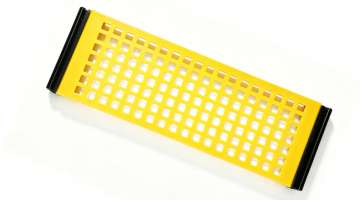
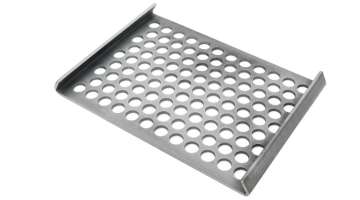
China Rubber Screen Panel For Aggregate Quarry Screening
If you run a quarry, you know the all-too-familiar daily headache that comes with screening media management: metal mesh screens sort material cleanly and deliver sharp consistent gradation, but they wear out fast under constant flow of sharp crushed aggregate, forcing frequent unplanned deck changes that eat into production time. High-end imported rubber panels do last far longer, but they come with eye-watering price tags and extremely long, unpredictable lead times that can stretch for weeks, leaving your quarry stuck waiting for critical spares when you need them most. But now, after years of quiet, steady incremental improvements to their material formulation, moulding processes, and quality control systems, China rubber screen panel makers are bringing something genuinely new and game-changing to the quarry market. Their panels are not just cheap low-quality stand-ins designed to undercut every other product on price, they are fully purpose-built from the ground up for the toughest day-to-day aggregate quarry working conditions. These rubber screens combine real field-proven wear resistance, precision-engineered consistent openings, and far better total operating value than most global quarry operations ever expect to get from a non-premium brand.
Rubber Formulated for the Real World Quarry Conditions
The main reason these panels work so reliably in real quarry operations is the careful engineering that goes into their rubber material formulation. Top tier Chinese manufacturers are not cutting costs by stuffing these screens with whatever low-grade recycled scrap rubber they can source for the lowest possible price, they develop and blend custom mixes of high-quality natural and synthetic rubber, carefully dialing in exact hardness, elasticity, and tear strength values specifically calibrated for heavy aggregate quarry conditions. The end result is a material that is hard enough to resist constant abrasion from sharp granite, basalt, and limestone particles that would wear through standard metal mesh in weeks, but still flexible and ductile enough not to crack or shatter completely when a large heavy rock drops onto the deck from the primary crusher discharge. That means far fewer unexpected cracks, no sudden catastrophic tearing, and no permanent deep dents that ruin the flat screening surface. Many quarry managers that have switched over to these panels report that these rubber screen panels reliably outlast traditional high-carbon steel woven screens three to five times over on medium and fine sizing decks, saving huge amounts of unplanned downtime and replacement cost with every ton of aggregate that passes through the screening circuit.
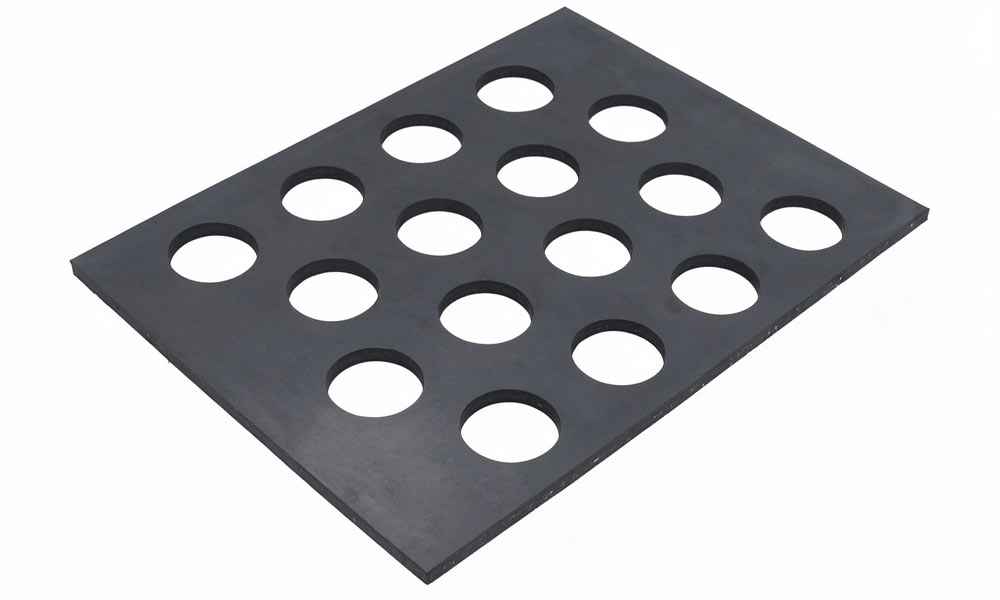
Precision Tapered Openings That Stay Clear For Longer
One constant, never-ending pain point with metal woven screens is blinding, the frustrating problem where smaller near-size aggregate rocks get wedged firmly into the straight-sided holes and plug up the deck, cutting total open area and throughput dramatically. Chinese rubber panels solve this extremely common problem with carefully engineered tapered, fully moulded openings. The holes are wider on the underside of the panel than they are on the top feed side, so any near-size particle that starts to get stuck in the opening naturally falls back out as the screen flexes and vibrates under normal operation. Every single vibration cycle from the screening deck helps gently shake free any stray particles that try to lodge in the opening, so the panel maintains a much higher consistent open area for almost its entire full service life. Instead of stopping full production for 20 minutes every few hours to send a worker up the deck with a hammer and steel brush to pound out stuck rocks, you can run the plant continuously for full shifts, processing more aggregate with far less hassle and far fewer unplanned interruptions.
Quick Modular Swaps Mean Far Less Unplanned Downtime
No quarry maintenance team likes dealing with emergency repairs, especially when the entire screening deck needs a full media change in the middle of a busy production shift. Modular rubber screen panels completely rewrite that downtime math. If the high-wear section near the feed end of the deck takes a beating and wears through much faster than the rest of the panels, you do not need to tear down and replace the entire full deck, you just pop out those few individual worn panels and snap brand new ones into place. There is no need to tension huge heavy metal sheets, no need to drag out heavy specialized tensioning tools, and no need to spend hours welding or patching damaged sections. What used to take a full maintenance team half a day to complete now takes two workers less than an hour to finish.
Consistent Batch Quality Delivers Fully Predictable Results
Leading large Chinese manufacturers know very well that quarry operations cannot afford to waste time dealing with random unpredictable panel failures that pop up out of nowhere. They run standardized steady production lines with rigorous quality checks built in at every single stage of the process, every batch of raw rubber compound is fully tested for hardness, tear strength, and abrasion resistance before it ever gets loaded into the injection moulding machines. When you order a full bulk batch of panels, every single unit matches perfectly: same exact dimension, same consistent durability, same uniform flexibility across the entire deck. You always know exactly how long they will last under your site's specific operating conditions, so you can schedule all panel replacements well in advance during pre-planned routine maintenance windows, long before any wear issues start to cause problems.
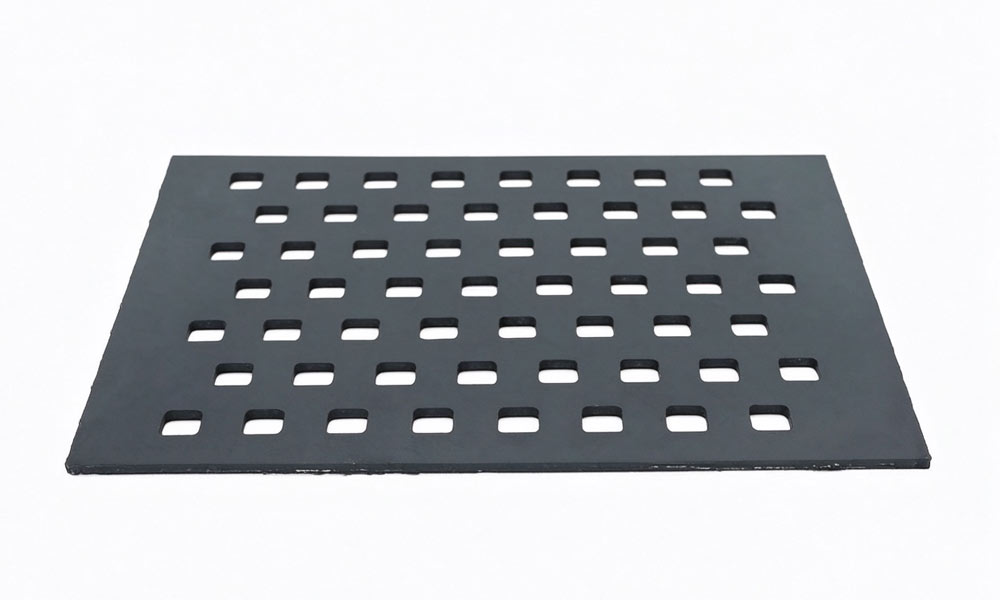
At the end of the day, you do not have to keep picking between long service life, minimal downtime, and a fair reasonable price anymore. China rubber screen panels give you all three of these critical benefits in one single well-engineered package: custom-blended tough rubber that shrugs off constant abrasion and heavy rock impacts, precision tapered openings that keep running clean with almost no blinding, modular panels you can swap out in minutes, and fully consistent batches that let you plan your maintenance schedule and stick to it reliably. Sure, if you are running a heavy scalping deck that handles massive oversized blasted rock with wild extreme impact forces, heavy manganese steel mesh still has its place, but for almost all standard aggregate sizing, dewatering, and fine sorting duties, these panels deliver a level of total operating value that very few other screening media options can match.