Self-Cleaning Screens For Wet Material Dewatering
Dewatering is the part of a wet process where the screen has to do two jobs at once, holding back the solids while letting the water go, and any aperture that stops passing water stops dewatering with it. Self-cleaning screens are built for exactly this difficulty, because their flexible apertures move as the deck runs and shed the wet, sticky material that would otherwise seal a static opening shut. The benefit is not a marginal improvement in a difficult duty but a change in what the deck can sustain, since a screen that keeps its apertures open keeps its drainage area, its capacity, and its product dryness through the whole campaign rather than only at the start of it. This article examines why wet dewatering is such a demanding duty, how the self-cleaning action works under water, what it delivers in practice, and where the approach fits best.
Why Wet Dewatering Is Such A Demanding Duty
Wet dewatering is demanding because water changes the behaviour of the material in ways that work against the screen, and Self-Cleaning Screens are a response to that specific difficulty. Moist fines do not behave like dry particles, and instead of passing cleanly through an aperture they tend to bridge across it, cling to the wire or polyurethane, and build a layer that thickens as the deck runs. Surface tension holds water in the fine openings and capillary action draws fines into them, so a conventional panel that starts the shift with full open area can lose a significant proportion of it within hours. The consequence is not simply slower drainage but a wetter product, a heavier load on downstream equipment, and a deck that has to be stopped and washed down to recover the capacity it had at start-up. Wet duties punish any aperture that depends on the material behaving itself, which is why the problem is structural rather than a matter of operating care.
How The Self-Cleaning Action Works Under Water
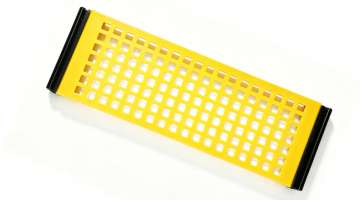
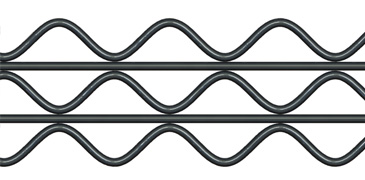
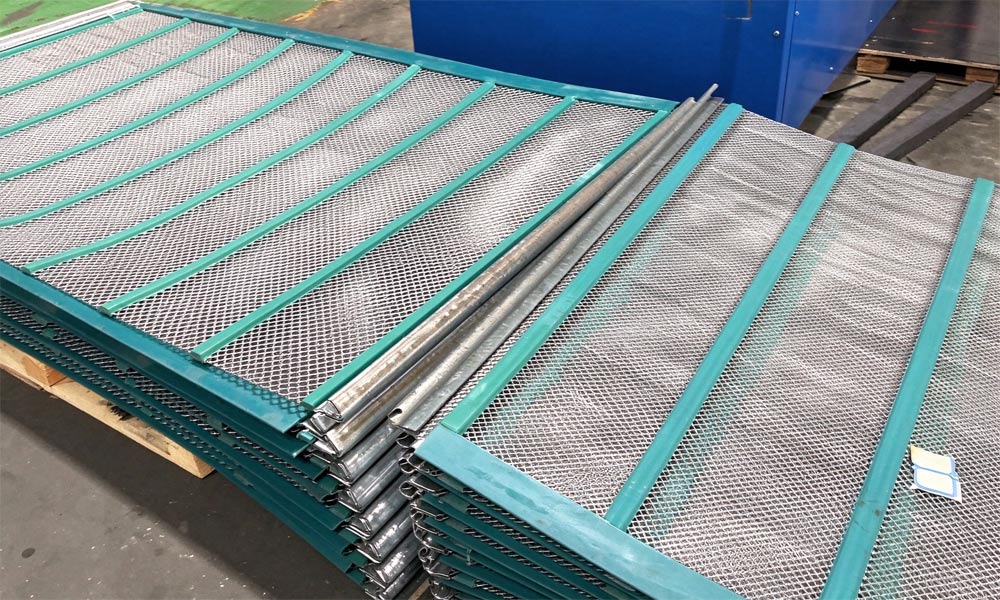
The self-cleaning action of Self-Cleaning Screens works under water because it does not rely on the material falling away but on the aperture itself moving. The flexible polyurethane apertures deform as the deck vibrates and as material passes over them, and that repeated flexing breaks the bridges that form across an opening and releases the fines that have lodged in it. Because the movement is built into the panel rather than applied from outside, the cleaning happens continuously during the run rather than only during a wash-down, and it happens at the fine apertures where blinding is most likely. The effect is that the open area stays close to its design value instead of decaying through the shift, and the drainage path remains available for the water that the dewatering duty depends on. The mechanism is simple, but it addresses the exact failure mode that makes wet dewatering difficult, which is why the benefit shows up so clearly in practice.
What It Delivers In Practice
In practice, Self-Cleaning Screens deliver a set of benefits that compound rather than stand alone, and the first is sustained drainage area through the campaign. Because the apertures keep clearing, the deck holds its capacity instead of losing it to blinding, and the dewatering result stays consistent from the start of the shift to the end rather than degrading hour by hour. The second is a drier product, since water that can reach the apertures can leave the material, and a deck that stays open produces a cake that downstream equipment handles more easily and that carries less unnecessary weight. The third is fewer stoppages, because the wash-downs that a blinded deck requires are reduced, and the labour and water those wash-downs consume are freed for other work. The fourth is more predictable operation, since a deck that behaves the same way all shift can be planned around, and predictability is often worth as much as the raw performance gain.
Where The Approach Fits Best
Self-Cleaning Screens fit best where the dewatering duty is fine, wet, and continuous, because those are the conditions under which blinding is most likely and the self-cleaning advantage is largest. Duties handling clay-bearing or organic material benefit strongly, since these are the feeds that cling most readily to an aperture, and operations that cannot use large volumes of wash water gain because the cleaning does not depend on it. Plants that run long campaigns without a convenient window for deck maintenance gain as well, because the benefit accumulates over the run and a deck that stays open avoids the unplanned stoppage. Coarse dewatering duties gain less, since blinding is rarely the constraint at large apertures and a simpler panel will usually serve. Matching the approach to the duties where blinding is the real problem is what makes the choice pay, and applying it where the constraint lies elsewhere adds cost without adding benefit.
Wet material dewatering is a duty that punishes any aperture that depends on the feed behaving itself, and self-cleaning screens answer that difficulty by keeping the aperture in motion rather than relying on the material to clear. The result is sustained drainage area, a drier product, fewer wash-downs, and an operation that behaves predictably through the campaign rather than decaying from the first hour. The approach is not the right answer for every dewatering duty, but where the feed is fine, wet, and continuous, it addresses the exact failure mode that makes the duty hard. For plants that have been managing blinding by stopping the deck, a self-cleaning screen is often the change that removes the problem rather than managing it.