FAQ | Red Star Screening Solutions Questions & Answers -
Support Center

Frequently Asked Questions

Find quick answers to common questions about our screening media products, specifications, customization options, and logistics.

Still have questions? Contact us
Home / Resources / FAQ
Screening Media FAQ

Product Selection

4 questions about choosing the right screening media

The choice depends on your feed material moisture and abrasive factor. Polyurethane Panels are ideal for wet screening and highly abrasive aggregate rocks because PU wear life is 3 to 5 times longer than steel wire mesh, reducing replacement downtime. However, Steel Woven Wire Mesh offers a higher open sorting area percentage, which maximizes output volume for dry aggregates where clogging is not a critical problem.

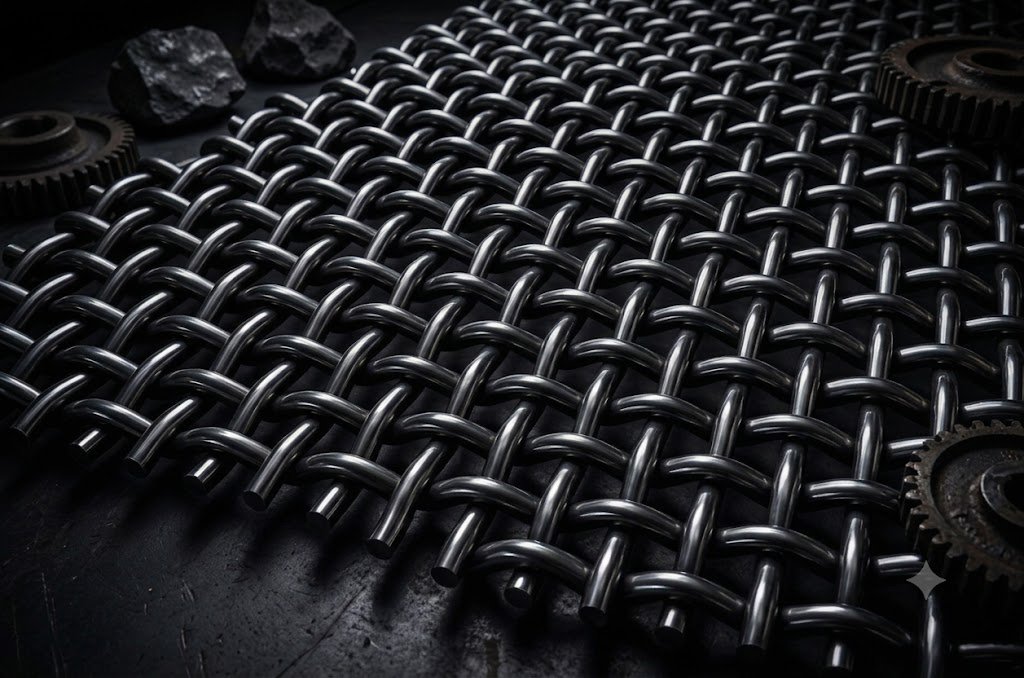
For our woven wire meshes, we primarily use premium high-carbon spring steel 65Mn (with tensile strength ranging between 1200 MPa and 1600 MPa) which provides superior fatigue and wear resistance. For saline, acidic, or high-humidity process environments, we weave with stainless steel grades SS304 and SS316L.

Yes. We customize wire screens and panels to fit all global vibrating screen deck brands (including Metso, Sandvik, Terex, and others). You can specify hook types (C-hook, V-hook, Welded plate margins) and custom side tensioning wedge types when requesting a quotation.

Standard specification mesh orders are manufactured within 7 to 14 days. Custom cast polyurethane panel orders require approximately 15 to 20 days to configure matching steel molds. We package all screening decks securely on wooden pallets for shipping container transport from Tianjin Port, China.

Technical Specifications

3 questions about technical details and standards

Our woven wire mesh is available in aperture sizes ranging from 0.5mm to 150mm, with wire diameters from 0.5mm to 16mm. We can produce square, rectangular, and slotted apertures to match your specific screening requirements. Custom configurations are available upon request.

Yes. All Red Star polyurethane screen panels are manufactured in compliance with ISO 9001:2015 quality management standards. Our PU formulations meet DIN and ASTM specifications for abrasion resistance, tear strength, and hardness (Shore A 75-95). Certificates are available upon request.

Steel wire mesh can operate in temperatures up to 400 degrees C. Polyurethane panels have a recommended maximum operating temperature of 80 degrees C. For high-temperature applications above 150 degrees C, we recommend our specialized rubber screen panels or high-temp steel alloys.

Installation & Maintenance

3 questions about setup and care

Proper tension is critical for screen longevity. We recommend tensioning to 20-25 N/mm for woven wire mesh. Use calibrated tension meters and tighten bolts in a cross-pattern to ensure even distribution. Over-tensioning can cause premature wire fatigue; under-tensioning leads to material blinding and reduced efficiency.

Inspect polyurethane panels weekly for tears, delamination, or bolt loosening. Clean panels daily to prevent material buildup. Replace panels when wear reaches 50% of original thickness. With proper care, PU panels typically last 3-5 times longer than equivalent steel wire mesh.

For wet screening applications, we recommend our Self-Cleaning Screen Mesh with specially designed wire profiles that prevent material adhesion. Additionally, ensure proper spray bar positioning, maintain adequate vibration amplitude (3-5mm), and consider using polyurethane panels with relief apertures for sticky materials.

Can't find your answer?

Our technical support team is ready to help with any specific questions about your screening application.

Contact Technical Support