When screening materials, the choice between static and vibrating wedge wire screens depends on the specific operating conditions and the material being
processed. The primary distinction lies in their operating mechanisms: static
wedge wire screens rely on gravity, whereas vibrating screens operate through
mechanical action. These differences in operating principles and methods result
in distinct suitability for various applications, directly impacting screening
efficiency and overall costs.
Material Characteristics and Feed Behavior
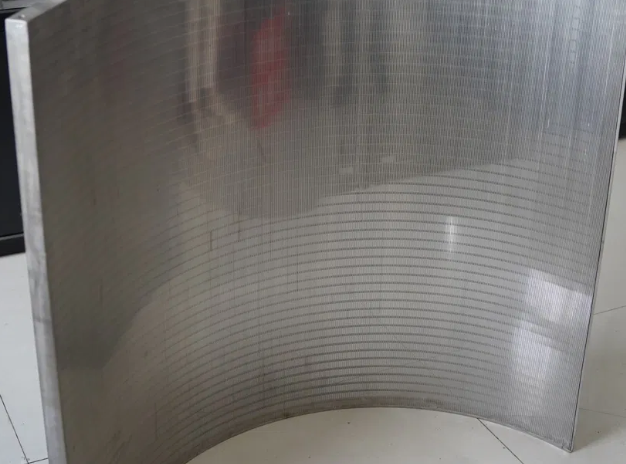
The nature of your feed material is the primary selector. Static wedge-wire
screens are ideal for free-flowing, dry, and granular materials like sized
aggregates or dry minerals. They depend on gravity and material's natural slope
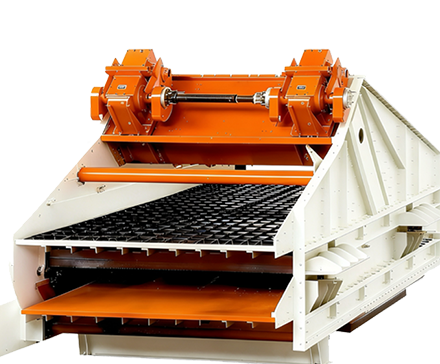
for movement. Conversely, vibrating wedge-wire screens are built for
challenging, damp, or cohesive feeds. The vibration breaks the surface tension
of moisture and prevents fine particles from sticking together, making them
essential for moist sands, clayey ores, or materials prone to blinding.
Process Goals: Throughput and Gentle Handling
Your capacity and product integrity requirements dictate the choice. Static
wedge wire screens offer gentle, controlled separation with minimal particle
degradation, perfect for fragile materials like catalysts. However, their
throughput is limited by gravity. Vibrating screens provide significantly
higher throughput for the same screen area, as vibration actively conveys and
stratifies material. They deliver higher efficiency in high-tonnage applications
like mining where capacity is critical.
Installation and Operational Simplicity
Consider your plant's layout and maintenance capacity. Static slotted wire
screens are simple, passive devices with no moving parts or external drives.
They are easy to install in chutes, require almost no maintenance, and are
silent—ideal for tight spaces or clean industries. Vibrating screens require a
powered drive system and a robust structure to handle dynamic loads. They need
regular maintenance but are designed for dedicated, high-capacity screening
stations.
Managing Blinding and Downtime
Blinding resistance is a major operational differentiator. Static screens
are highly susceptible to blinding from sticky or moist fines, often needing
manual cleaning or spray systems. Vibrating wedge wire screens provide
inherent self-cleaning action through continuous motion, which keeps apertures
clear and drastically reduces downtime related to blinding, despite having more
mechanical components.
The selection is straightforward when you match the screen's core function to
your application. Use a static wedge-wire screen for simple, dry
classification where gentle handling and low maintenance are key. Choose a
vibrating wedge-wire screen for demanding, wet, or high-volume applications
where throughput, efficiency, and resistance to blinding are paramount. The
right choice is the one whose inherent operating conditions directly solve the
specific challenges of your material stream.


Leave A Reply
By using form u agree with the message sorage, you can contact us directly now