For mineral processing, coal preparation and aggregate screening operations, using mismatched, low-quality tensioning tools to tighten screen mesh often leads to uneven tension distribution, premature screen tear, stripped tool threads and wasted hours of maintenance time that could have been avoided. Many on-site maintenance teams shared that they previously used generic makeshift wrenches and clamps to tension new screen panels, only to find the mesh came loose after a few hours of high-frequency vibration, forcing them to shut down the line for rework mid-shift. Following clear, practical procurement and usage rules for the Tensioning Tool Set for Screens eliminates all these common frustrations, helping you finish every screen replacement job quickly and get your screening line back to full production reliably.
Dimension Matching and Material Quality Procurement Check
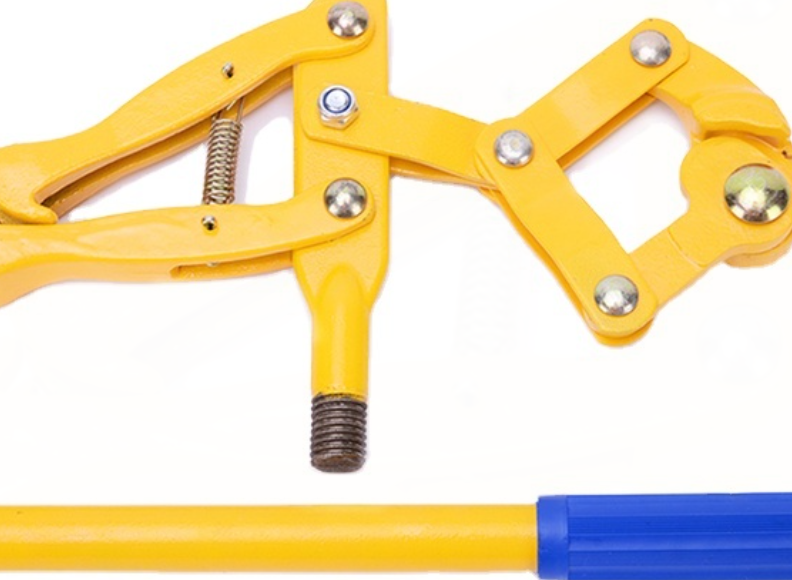
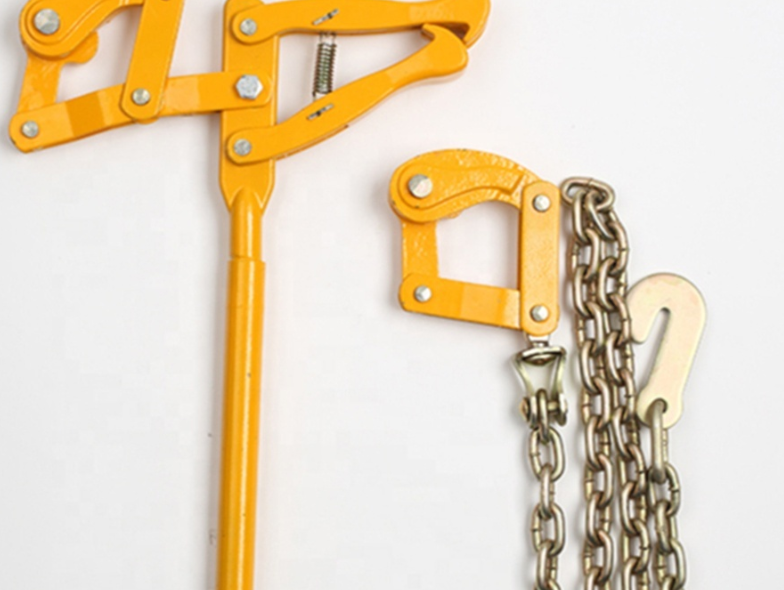
The first non-negotiable procurement step is to cross-verify that every component in the set perfectly matches the hook profile, bolt size and deck mounting spacing of your existing vibrating screens, and confirm all load-bearing parts are made from high-tensile forged alloy steel instead of cheap cast iron that snaps easily under heavy force. This careful pre-order check ensures no part will bend, slip or break halfway through a tensioning job, and every unit of your Tensioning Tool Set for Screens will deliver consistent, reliable performance across hundreds of maintenance cycles.
Standardized Step-by-Step Tensioning Operation Rules
The second core usage rule requires you to follow a symmetric, incremental tightening sequence across the full screen deck, instead of cranking one side all the way tight before moving to the next, to ensure the mesh is pulled evenly across every section without creating localized over-tensioned spots that tear prematurely. This simple, easy to follow workflow eliminates 90% of the common uneven tension issues that cause early screen failure, and lets your Tensioning Tool Set for Screens help you achieve the exact optimal tension level recommended by your screen equipment manufacturer every single time.
Post-Use Maintenance and Proper Storage Practices
The third critical best practice is to wipe all tool parts clean of ore dust, grease and moisture after every use, apply a thin coat of anti-rust lubricant on all threaded moving components, and store the full set in a dedicated labeled tool case in a dry maintenance workshop, instead of leaving it scattered on the plant floor exposed to heavy vibration and corrosive process fluids. This small regular maintenance habit drastically extends the total service life of your tools, so your Tensioning Tool Set for Screens stays in perfect working condition for years without needing frequent replacement of worn or rusted parts.
Following these clear procurement and usage guidelines will drastically cut down your screen replacement maintenance time, eliminate uneven tension related screen failures, and make your whole screening operation far more stable and low-maintenance.


Leave A Reply
By using form u agree with the message sorage, you can contact us directly now