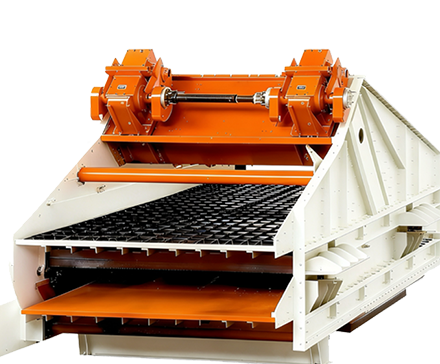
For mineral processing, coal preparation and aggregate production sites that run high-frequency vibrating screening equipment, a broken or worn tensioning hook can easily lead to loose screen panels, misaligned material flow, unexpected screen tear and hours of unplanned downtime that eats directly into daily production output. Many maintenance teams shared that they previously bought low-cost generic replacement kits that failed to match their existing screen deck’s mounting dimensions, or broke again after only a few days of heavy vibration, wasting both money and precious maintenance window time. A targeted, practical procurement framework for Screen Tensioning Hook replacement kits helps you avoid these common pitfalls, getting durable, perfectly fitting parts that keep your screening line running reliably for far longer.
Exact Dimension and Load Rating Verification
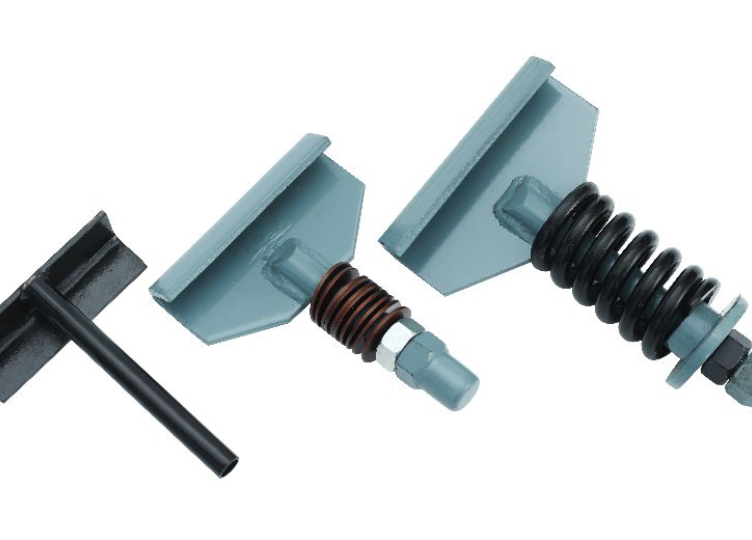
The first non-negotiable procurement step is to cross-check three critical parameters before placing any order: the exact hook opening size that fits your screen panel’s edge profile, the bolt hole spacing that lines up with your existing screen deck’s mounting points, and the maximum dynamic load rating that matches your vibrating screen’s operating G-force. Skipping this step almost always leads to parts that cannot be installed properly or snap under normal operating vibration, so confirming these specs first ensures every Screen Tensioning Hook you purchase will fit your equipment perfectly and hold the screen panel securely in place without loosening during long shifts of continuous operation.
Material and Surface Treatment Durability Check
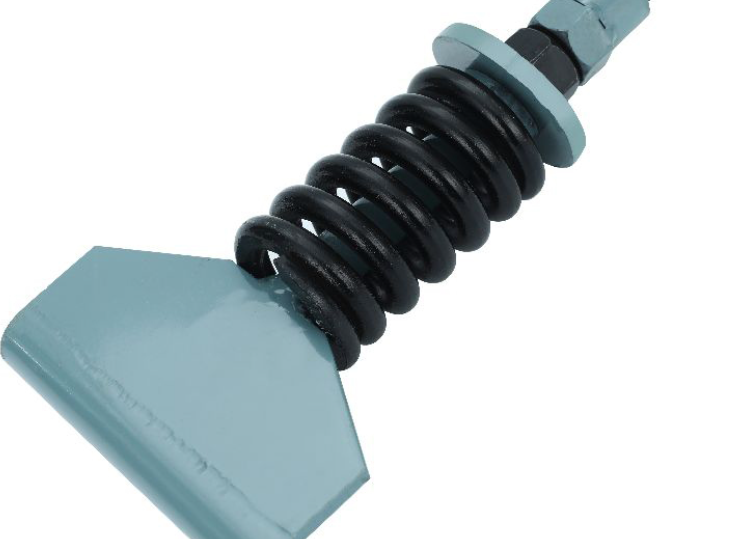
The second key selection rule prioritizes kits made from high-tensile alloy steel with proper quenching and tempering heat treatment, paired with a hot-dip galvanized or heavy-duty powder coated anti-corrosion surface finish, instead of cheap low-carbon steel that bends easily and rusts quickly in dusty, wet processing environments. This upgraded material formulation drastically extends the usable service life of each part, so you will not need to stock huge numbers of spare units for frequent replacements, making every Screen Tensioning Hook you buy far more cost-effective over the long run.
Full Kit Completeness and After-Sales Support Confirmation
The third practical procurement tip is to confirm the replacement kit comes with all matching high-strength bolts, lock washers and rubber anti-loosening gaskets included, rather than buying bare hooks separately that force you to source mismatched fasteners locally that will come loose under heavy vibration. It is also wise to pick a supplier that can provide quick after-sales technical support if you run into any installation issues, so you can finish the full screen tensioning job within your scheduled maintenance window, and get your screening line back up and running as fast as possible after swapping out every Screen Tensioning Hook on the deck.
Following this clear procurement guide will help you avoid the common mistakes that lead to wasted money, delayed maintenance and unexpected post-repair downtime, ensuring your screen panels stay properly tensioned and your screening circuit runs at consistently high efficiency.


Leave A Reply
By using form u agree with the message sorage, you can contact us directly now