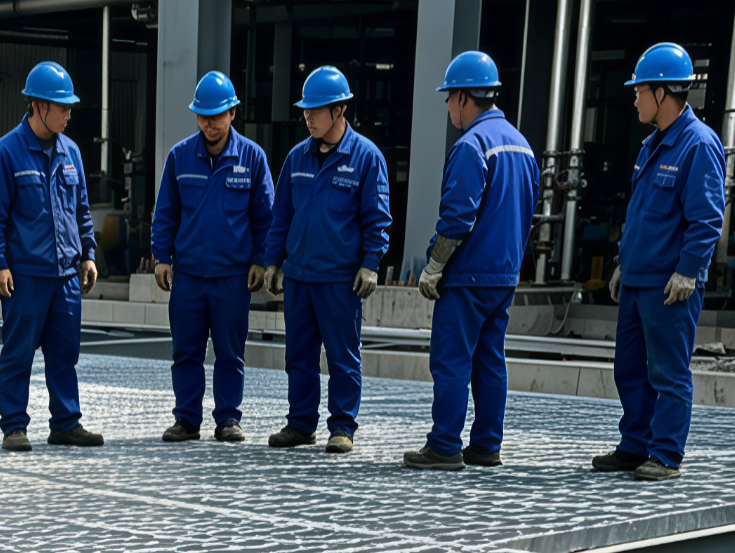
For mining, aggregate and industrial processing sites that run long conveyor lines across their plant, poorly selected or loosely fastened walkway grating often creates major hidden safety hazards, including unexpected panel shifting, accidental slips, or even full panel dislodgement when heavy maintenance equipment is rolled across the surface. Many site maintenance teams told us they spent years dealing with loose rattling panels that shifted out of place under heavy foot traffic, or units that bent and sagged far too quickly under the weight of heavy conveyor maintenance tools. Choosing the right specification and using proper fastening methods for Steel Gratings for Conveyor Walkways completely eliminates these avoidable issues, creating a stable, long-lasting safe access path for all your daily inspection and maintenance work.
Load Rating and Opening Size Matching for Site Conditions
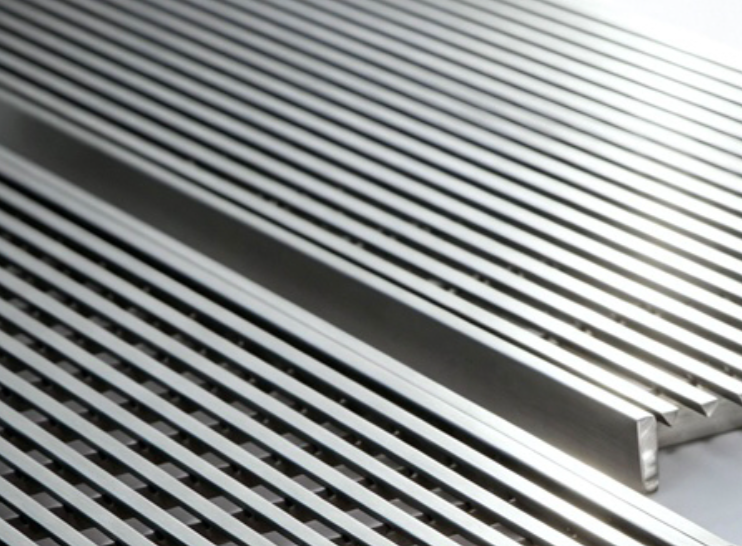
The first core selection step matches the grating’s bearing bar thickness, spacing and overall load rating to the maximum expected weight of your maintenance crew, heavy tool kits and small mobile lifting equipment that will regularly travel across the walkway, while picking an aperture size small enough to stop small hand tools or loose ore fragments from falling through onto the conveyor belt running directly underneath. This careful matching process ensures your selected Steel Gratings for Conveyor Walkways will not bend, deform or create unexpected falling object risks even under the heaviest regular maintenance loads.
Anti-Slip Surface and Corrosion Resistance Selection
The second key selection consideration picks serrated anti-slip bearing bars for all walkway sections that regularly get covered in spilled ore dust, process water or occasional lubrication grease, and chooses a hot-dip galvanized or specially coated surface treatment that resists rust and corrosion even in wet, high-dust outdoor or high-humidity underground environments. This ensures the walkway retains reliable traction for years of use, and prevents the surface from corroding thin and weakening prematurely, making Steel Gratings for Conveyor Walkways far more durable than plain untreated steel plate or cheap low-quality grating.
Standardized Clamp and Welding Hybrid Fastening System
The third critical best practice uses a combination of purpose-designed grating clamps for most regular panels, paired with full spot welding along the edges of panels located in high-traffic curved sections or near heavy maintenance access points, with no less than two secure fastening points for every single grating panel. This hybrid method lets you easily remove individual panels later if you need to access equipment under the walkway, while ensuring no panel can shift, rattle or come loose even under long term heavy vibration from the running conveyor, keeping every unit of your Steel Gratings for Conveyor Walkways stable and securely positioned for years of continuous operation.
Making these careful selection choices and following standardized fastening rules will drastically reduce safety hazards on your conveyor maintenance access paths, cut down long term maintenance work, and extend the usable service life of your walkway for many years.


Leave A Reply
By using form u agree with the message sorage, you can contact us directly now