As industries prioritize sustainability, managing waste polyurethane screen
panels—the durable composites of polyurethane and steel used in mining and
aggregate screening—has become a key challenge. Their robust design complicates
disposal, making simple landfilling wasteful and increasingly costly.
Fortunately, practical recycling and environmentally friendly disposal
solutions are now available, transforming this industrial waste into a valuable
resource.
The Core Challenge: A Composite Material
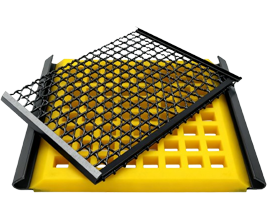
The main obstacle is the composite nature of polyurethane panel :
polyurethane is chemically bonded to a steel frame. This makes separation
difficult, rendering traditional disposal methods like landfill not only
environmentally poor but also inefficient, as it wastes recoverable steel and
polymers. Finding effective solutions is both an environmental necessity and
an economic opportunity.
Mechanical Recycling: The Proven Pathway
The most established and practical recycling method is mechanical
processing. Waste polyurethane screen panels are fed into industrial shredders
that break down both materials. The resulting fragments then pass through
magnetic separators, which efficiently extract the ferrous steel scrap for
direct recycling in steel mills. The remaining polyurethane granules can be
repurposed as filler in new polyurethane products, used in construction
materials, or serve as a fuel source in specialized waste-to-energy facilities,
offering a responsible alternative to landfill.
Advancing with Chemical and Thermal Recovery
For higher-value recovery, advanced technologies are emerging. Chemical
processes aim to break down the polyurethane polymer into reusable chemical
components. Pyrolysis, a thermal decomposition process without oxygen, can
convert the material into synthetic gas, oil, and char, which have potential as
industrial feedstocks or fuels. While not yet as widespread as mechanical
recycling, these methods represent the future of circular material handling
for complex industrial composites.
Implementing a Circular Strategy
The best environmentally disposal solution starts with planning. Companies
can choose suppliers who design for disassembly or offer take-back programs.
On-site, establishing protocols for clean collection and storage of worn
polyurethane panels prevents contamination and facilitates recycling.
Partnering with specialized recycling firms is crucial to ensure materials are
processed correctly. By viewing end-of-life panels as feedstock, operations can
reduce their environmental impact, manage costs, and contribute to a circular
economy.
Responsibly managing waste polyurethane screen panels is an achievable step
toward industrial sustainability. By adopting mechanical recycling and
supporting the development of advanced recovery technologies, companies can turn
a disposal problem into a sustainability opportunity. Implementing a proactive
management plan not only ensures compliance but also strengthens environmental
credentials, paving the way for a more resource-efficient future.


Leave A Reply
By using form u agree with the message sorage, you can contact us directly now