The zinc ore beneficiation process subjects screening equipment to a harsh
combination of abrasive ore particles and often chemically active slurry. Wedge
wire screens must therefore demonstrate robust wear and corrosion resistance
to maintain performance and longevity. A failure in either aspect leads to
inaccurate sizing, increased downtime, and higher operational costs, making an
analysis of these factors critical for screen selection and process
reliability.
The Dual Challenge: Abrasion and Chemical Attack
Screen failure in zinc processing typically results from two interacting
mechanisms. Wear occurs through abrasion, as hard minerals like quartz and
pyrite continuously scour the screen surface, gradually eroding the wire profile
and altering slot dimensions. Concurrently, corrosion attacks the metal
chemically. Process water, often adjusted to acidic pH levels and containing
dissolved salts and sulfides, can cause pitting, general surface degradation, or
galvanic corrosion. This synergistic effect means a material resistant to only
one threat will underperform, necessitating a balanced solution.
Strategic Material Selection for Combined Resistance
Material choice is the primary defense. For many applications, 316 stainless
steel wedge wire screen serves as a reliable baseline, offering good corrosion
resistance due to its molybdenum content, which helps withstand chlorides and
mild acids. In areas of extreme abrasion, such as primary screening,
high-carbon steel with a hardened wear surface provides superior wear
resistance, but is vulnerable to corrosion unless the slurry pH is carefully
controlled. For the most demanding combined environments—highly abrasive and
corrosive—duplex stainless steels offer an optimal balance, combining high
strength and exceptional resistance to chloride-induced stress corrosion
cracking.
Optimizing Longevity Through Design and Operation
Screen design and operational practices significantly extend service life.
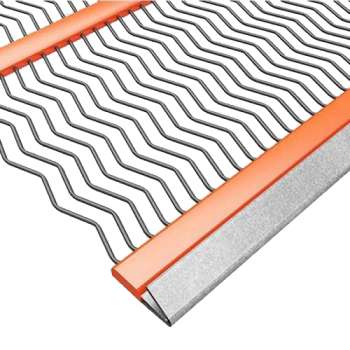
A wedge metal panel with a thicker wear face on the wire profile inherently
resists abrasion longer. Proper slot orientation and deck slope promote
efficient material travel, reducing localized wear. Operationally, avoiding feed
overload minimizes impact damage is necessary. Crucially, preventing material
buildup through regular, effective cleaning is essential, as compacted fines
create a corrosive microenvironment that accelerates pitting under deposits, a
common failure point.
Choosing wedge wire screens that can handle wear and corrosion in zinc ore
beneficiation isn’t just smart, it is crucial. You want to pick the right
material, whether is 316 stainless, hardened steel, or a duplex alloy, depending
on how tough and chemically harsh each process stage gets. When you get this
right and back it up with solid design and maintenance, you keep sizing
accurate, cut down on annoying breakdowns where screens need replacing, and
protect both performance and your bottom line across the whole beneficiation
circuit.


Leave A Reply
By using form u agree with the message sorage, you can contact us directly now