Screening sticky phosphate rock presents a unique and persistent challenge
for mineral processors. The material's natural clay content and surface moisture
can rapidly bind fines to screen surfaces, leading to severe blinding, reduced
throughput, and frequent downtime for cleaning. In this demanding application,
rubber screen panels offer a distinct and effective solution for enhancing
anti-clogging performance. Their inherent material properties and flexible
design work in concert to resist adhesion, promote material release, and
maintain screening efficiency where rigid screens often fail, making them a
preferred choice for handling the tenacious nature of sticky phosphate ore.
Material Resilience and Inherent Anti-Stick Properties
The anti-clogging performance of rubber screen panels begins with the
material itself. High-quality, abrasion-resistant rubber compounds are naturally
resilient and possess a degree of surface "give" that rigid steel lacks. This
flexibility prevents fine, damp particles from achieving a firm grip.
Furthermore, specialized rubber formulations can be engineered with additives
that lower the surface energy of the panel, creating a more hydrophobic and
non-stick characteristic. This inherent property is the first line of defense
against the initial layer of sticky buildup that initiates the clogging process
in phosphate rock screening.
Dynamic Self-Cleaning Through Flex and Vibration
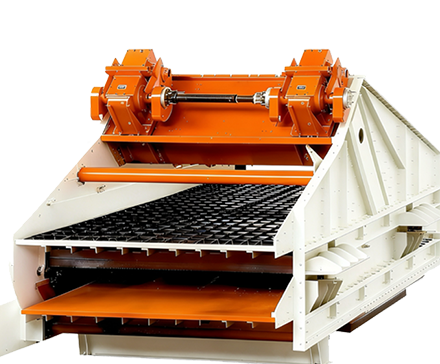
A key advantage of rubber over rigid materials is its ability to flex. As the
vibrating screen operates, the rubber screen panels undergo continuous
micro-deformations. This dynamic flexing action creates a "self-cleaning"
effect, mechanically dislodging particles that attempt to adhere to the surface
or wedge into apertures. The rubber's elasticity helps to "pop" material free, a
mechanism that static screens cannot replicate. This ongoing movement is crucial
for maintaining an open screening area and preventing the consolidation of a
hard, compacted layer of sticky fines.
Optimized Aperture Design for Sticky Conditions
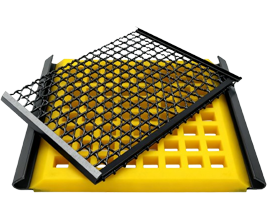
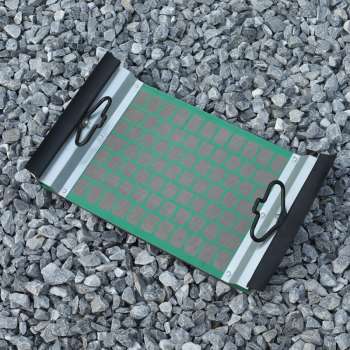
To maximize their effectiveness, rubber screen panels for sticky materials
often feature optimized aperture designs. Tapered or flared openings are common,
where the aperture is wider on the discharge side than on the feed side. This
geometry reduces the contact area for particles, making it harder for them to
become mechanically lodged. For particularly challenging phosphate rock,
screens with a slightly crowned or profiled surface can be used. This design
discourages material from lying flat and compacting, instead encouraging it to
roll and shift, which further aids in breaking up sticky agglomerates before
they can cause a full blockage.
For operations processing sticky phosphate rock, the choice of screening
media is critical to maintaining flow and efficiency. Rubber screen panels
provide a robust and proven solution, leveraging their material flexibility,
inherent anti-stick properties, and dynamic cleaning action to deliver superior
anti-clogging performance. By resisting the initial adhesion and continuously
shedding material through flex, they offer longer uninterrupted run times and
more consistent sizing compared to traditional options. Investing in the right
rubber screen specification is a strategic decision that directly translates to
higher availability, lower maintenance costs, and more reliable production
output in challenging phosphate screening circuits.


Leave A Reply
By using form u agree with the message sorage, you can contact us directly now