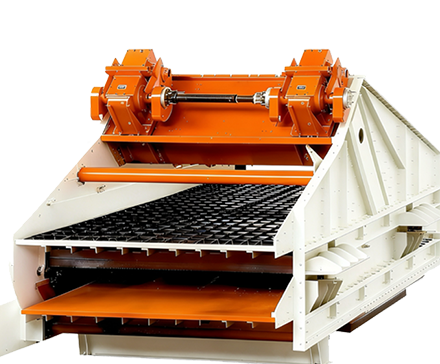
For mineral processing sites that run vibrating screening equipment 24/7, improper screen installation often leads to uneven tension, premature screen tear, abnormal vibration, and hours of unplanned downtime that eats directly into daily production output. Many maintenance teams shared that they used to rush through screen replacement jobs without following a clear standardized workflow, only to find the new screen came loose or failed within a few days of heavy operation. A practical, easy-to-follow Installation Guide for Mineral Screenshelps you avoid all these common mistakes, ensuring every new screen panel runs reliably for its full rated service life.
Pre-Installation Deck Surface Preparation
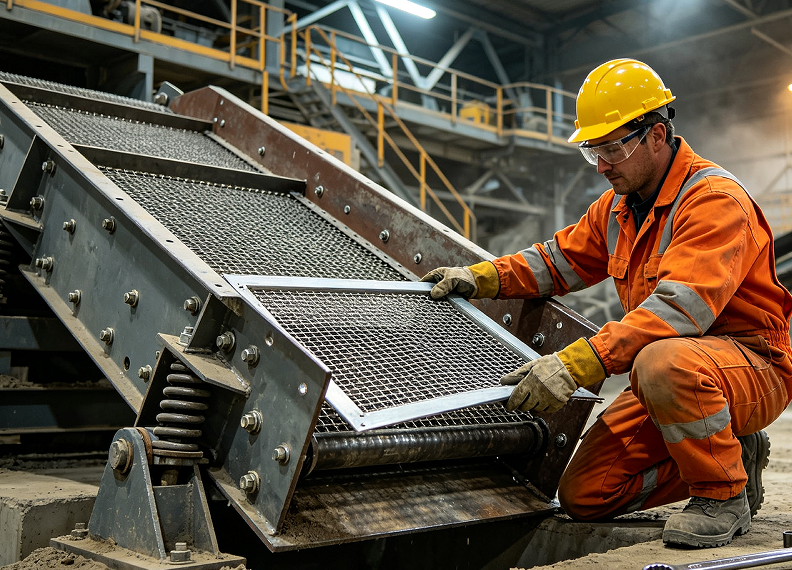
The first critical step before you even place the new screen panel onto the deck is to fully clear all leftover ore fines, rust, old adhesive residue and damaged fastener fragments from the screen support beams, and check every beam for deformation, loose mounting bolts or worn rubber damping pads that could cause uneven support for the new panel. Skipping this step almost always creates hidden stress points that tear the new screen prematurely, so this preparation phase is a non-negotiable foundational part of any proper Installation Guide for Mineral Screens.
Panel Alignment and Pre-Tensioning Calibration
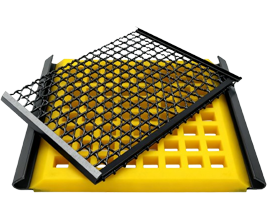
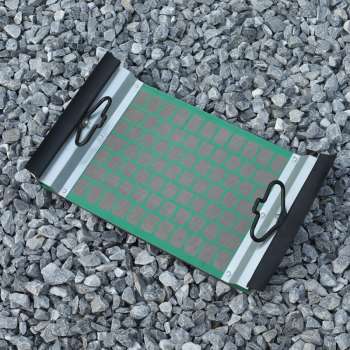
The second core installation step carefully positions the new screen panel perfectly centered on the deck, making sure the edge tensioning hooks line up exactly with the mounting bolt slots without any twisting or forced prying to fit, then tighten all tensioning bolts gradually and symmetrically across both sides of the deck in a crisscross sequence, instead of cranking one side all the way tight before moving to the next. This symmetric tightening method ensures the entire screen surface gets perfectly even tension distribution with no localized over-tensioned spots, which is the most important detail that most generic Installation Guide for Mineral Screens often fails to emphasize clearly enough.
Post-Installation Test Run and Inspection
The third final step after all tensioning work is completed is to run the empty screen for 3 to 5 minutes at normal operating vibration frequency, then shut down the equipment to double-check every tensioning bolt for slippage, confirm the screen surface does not produce any abnormal local bulging or bouncing, and verify all fasteners are locked securely with lock washers. This short test run catches almost all hidden installation errors before you start feeding full volume material onto the deck, making this final verification step a high-value addition to your site’s customized Installation Guide for Mineral Screens.
Following this full standardized installation workflow will drastically reduce post-installation screen failure rates, extend the average service life of every new screen panel you install, and keep your screening line running at stable classification efficiency for far longer.


Leave A Reply
By using form u agree with the message sorage, you can contact us directly now