Screening cohesive materials such as bauxite poses a significant challenge
due to material adhesion and aperture blinding, which drastically reduces
efficiency. For metal woven screens, implementing a proactive anti-clogging
design is essential to maintain throughput and separation accuracy. This
article provides key selection recommendations, focusing on screen
construction, surface enhancements, and system integration to prevent buildup
and ensure reliable operation when handling sticky ores and similar
materials.
Core Anti-clogging Screen Design Features
The primary defense against clogging lies in the screen's physical
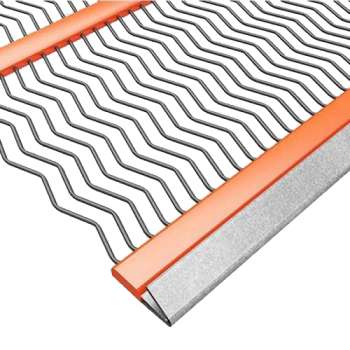
construction. Selecting a flat top weave is crucial, as it creates a smooth,
continuous surface without recesses where particles can accumulate, unlike
standard weaves. Pair this with smooth, polished wires—often achieved through
electropolishing—to minimize the surface roughness that sticky fines adhere to.
For particularly problematic applications, consider screens with a slightly
tapered wire profile at the aperture edge, which can help prevent particles
from jamming at the opening. These foundational design choices directly
address the mechanics of how cohesive materials stick and bridge.
Enhanced Solutions: Coatings and System Integration
When basic design needs reinforcement, additional measures can be integrated.
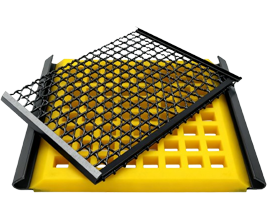
Applying a specialized non-stick coating to the screen wires creates a
low-friction surface that significantly reduces material adhesion. For
continuous, heavy-duty operations, integrating mechanical cleaning
systems—such as rubber bouncing balls or brush strips installed beneath the
screen deck—provides constant, gentle impact to dislodge clinging particles.
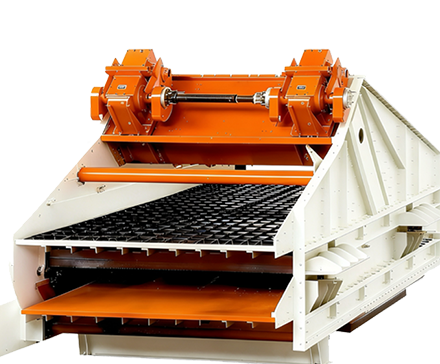
Furthermore, pairing the screen with suitable high-frequency vibrating
equipment leverages the equipment's intense, rapid motion as a powerful inherent
cleaning force, provided the screen is robust enough to withstand the
dynamics.
Selection and Operational Recommendations
Effective screening of bauxite requires a holistic approach. Begin the
selection process by prioritizing screens with the intrinsic anti-clogging
design features mentioned. Evaluate the necessity and cost-benefit of adding
coatings or cleaning systems based on your material's specific moisture content
and clay fraction. Operationally, if feasible, explore pre-treatment options
like feed drying or scrubbing to reduce the inherent cohesiveness before the
material reaches the screen. Remember, the goal is to create conditions where
particles are encouraged to pass through or bounce off, rather than stick and
build up.
Combating clogging in metal woven screens processing cohesive materials
is about proactive integration. By selecting a screen with the right design,
considering enhanced surface treatments, and ensuring it is well-matched to your
vibrating equipment and overall process flow, you can develop a robust solution.
These recommendations aim to minimize downtime for manual cleaning, maximize
screening availability, and ensure a consistent, high-quality product stream
from your operation.


Leave A Reply
By using form u agree with the message sorage, you can contact us directly now