-
-
-
No.1 Redstar Road, Qianpu Development Zone, Hebei China

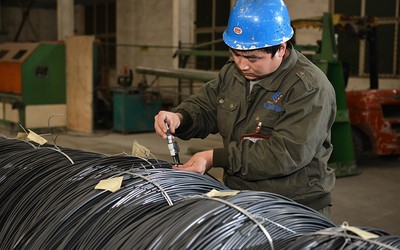
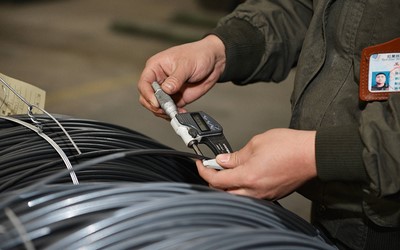
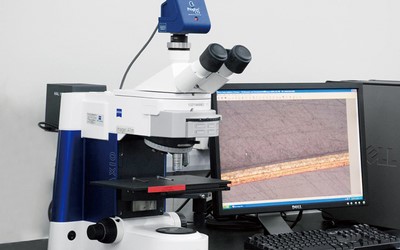
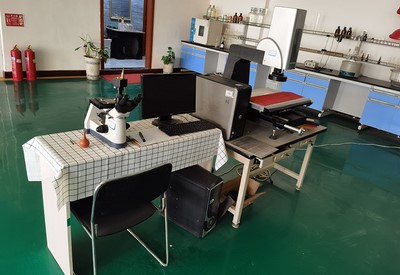
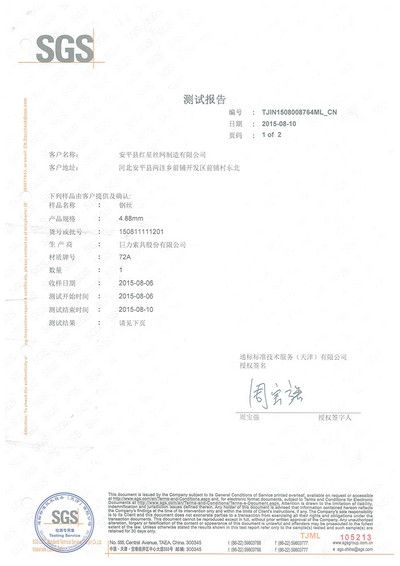
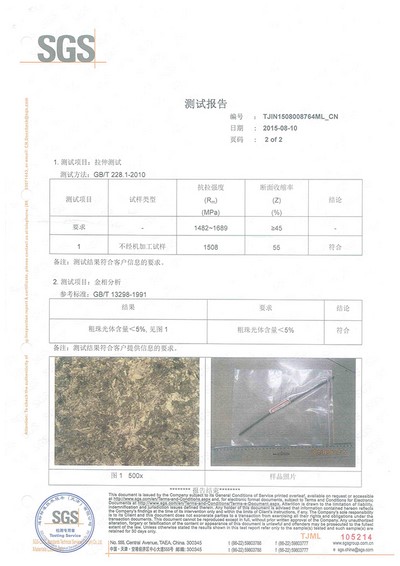
We at Red Star implement strict quality control procedures right from the very beginning, i.e. selecting qualified raw materials. We choose only 2 steel manufacturers from more than 500 steel plants as our raw material suppliers. The key factors for choosing suppliers are not only the high quality of material, but also the corresponding composition ratio for customizing steel wire. Most crucially, our suppliers have to provide SGS inspection reports. SGS is a third party inspection body to test every batch of steel wires, and give test reports accepted by the Ministry of Trade.


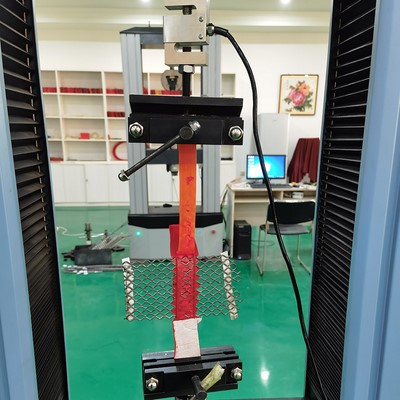
Tear strength test of polyurethane hold down bar
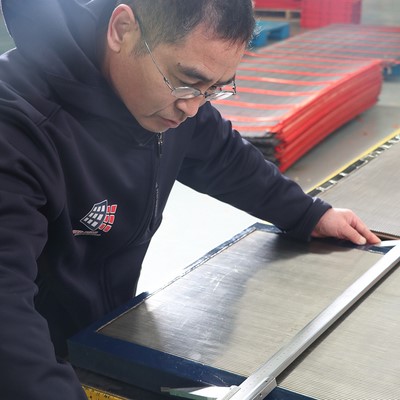
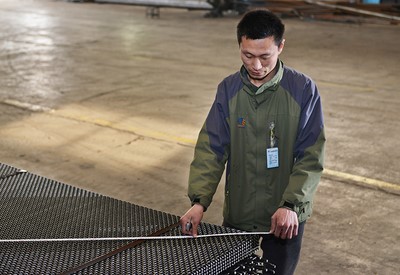
Wedge wire screen measuring
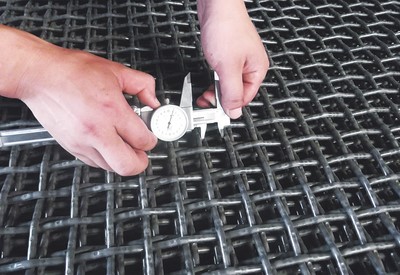
Screen aperture measuring
Crimped inspection
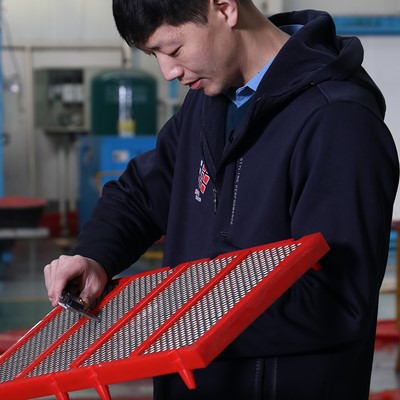
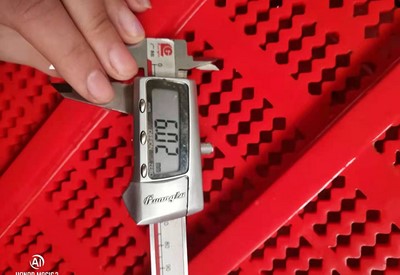
Aperture inspection of PU fine screen
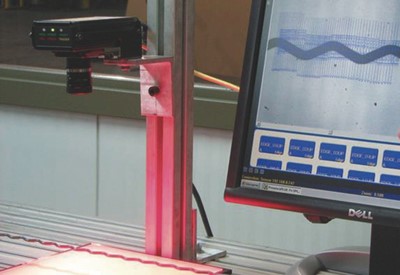
Screen squareness measuring

Selection depends on material hardness, moisture content, particle size, and impact force:
Wet or sticky materials → Polyurethane mesh (anti-clogging)
High abrasion materials → Manganese steel woven mesh or perforated plate
High-precision screening → Stainless steel woven mesh
Heavy impact materials → Steel-edge PU panels or rubber screen panels
Choosing the correct mesh improves output and reduces downtime.
Service life varies with material abrasiveness, vibration frequency, installation tension, and screen type:
Polyurethane mesh: 3–12 months
Manganese steel mesh: 1–6 months
Stainless steel mesh: 2–8 months
Rubber panels: 4–12 months
Proper tensioning and selecting the right aperture significantly extend lifespan.
Clogging occurs due to moisture, irregular particle shapes, or unsuitable aperture designs. Prevention methods:
Use self-cleaning screens (wave or harp type)
Switch to polyurethane anti-blinding mesh
Adjust vibration amplitude and screen angle
Pre-screen wet or muddy materials
Anti-clogging solutions greatly improve screening efficiency.
Key points during replacement include:
Ensuring consistent tension across the entire screen
Checking the screen frame for deformation
Matching hook types or fastening systems with your screen machine
Cleaning the deck to remove remaining material
Proper installation reduces breakage and improves screening accuracy.
Screening efficiency can be improved by:
Choosing the right aperture and mesh material
Adjusting vibration frequency and screen inclination
Maintaining uniform material feeding
Using multi-stage screening designs
Performing regular maintenance on screen decks and meshes
Efficiency improvements of 10–30% are commonly achievable.