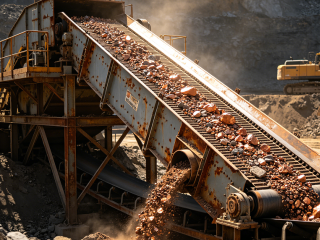
 Screen and Equipment Suitable for Copper Mining and Crushing Processes">
In copper mining, Selecting the right Screening equipment and heavy-duty Screen media is crucial Screening isn’t a one-size-fits-all task
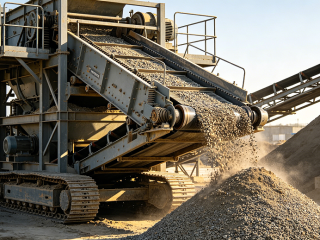 Screen Configuration Schemes and Cost Control for Various Stages of Modern Aggregate Sand-Making and Screening">
In modern sand-making plants, one-size-fits-all Screening won’t cut it Different Screening stages require the selection of different Screen mesh configurations
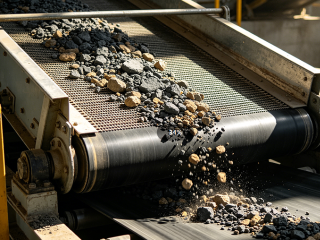 Screen Equipment and How to Reduce this kind of Situations ">
Does your vibrating Screen equipment frequently run into issues? In fact, simply carrying out routine inspections can significantly reduce the occurrence of those minor problems
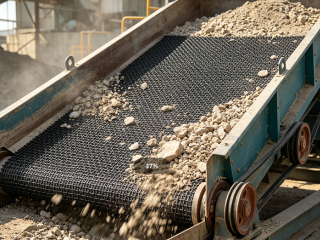 Screen Efficiency">
In mineral processing, a vibrating Screen s performance is measured by its Screening efficiency and Screen-passing rate Here are five critical factors that determine how well it operates
 Screen Combination Configuration">
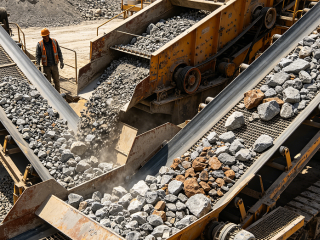
The real issue is that the Screens are clogging or simply aren t efficient Refining your Screen configuration is frequently the fastest and most affordable way to get more out of the plant
 Screens in Mining and Quarrying Industries">
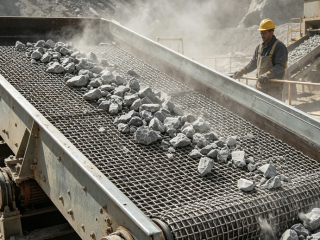
Replacing wire Screens in mines and quarries can be a major expense,but you can actually make them last much longer with some basic maintenance Here are six straightforward ways to cut down those costs
 Screens">
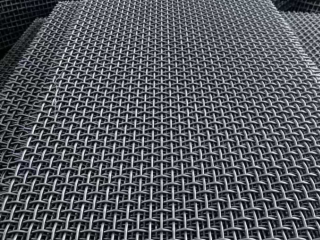
The same 65Mn metal Screen may last three months for some users, but only one month for others This is likely due to the heat treatment process during Screening The quenching and tempering processes directly determine the Screen s lifespan
 Screens in Sand Making Production Screening Process">
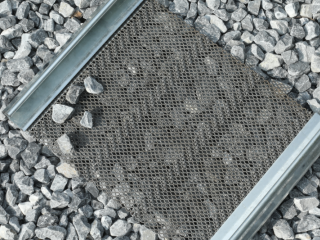
Excessive Feed Impact is the most common "killer " of your wire woven mesh The material coming out of the sand making machine slams against the Screen at high speed, equivalent to hammering the wire every day
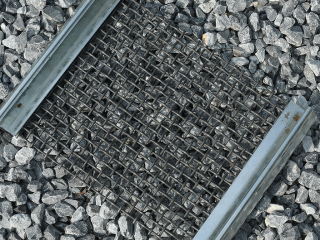 Screening">
Standard Screens waste time and slow down production when Screening materials Flat top woven mesh is designed to solve the two biggest issues in Screening: material buildup and fast wear
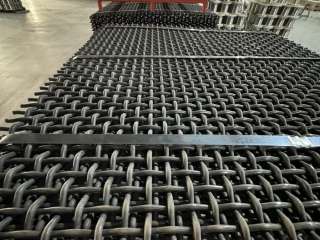 Screen: Why It Performs Exceptionally Well in the Coarse Screening of Large Ore">
If you frequently replacing Screens, the issue may be the choice of Screen, Heavy-duty metal Screens are specifically engineered to withstand such demanding operating conditions, and their superior performance is well-proven
