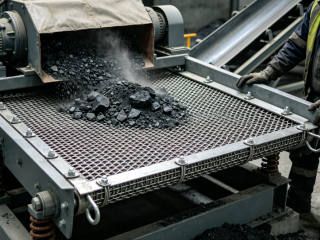
 Screening Accuracy">
Choosing a lock-crimp woven wire Screen is a strategic decision for any operation that values precision By mechanically locking the wires in place, this design prevents the dreaded wire shift that plagues standard meshes
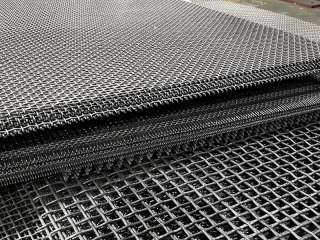 Screens in Precision Grading and Aperture Stability">
The advent of lock-crimp woven wire Screens has resolved the issue of aperture deformation, thereby enhancing overall Screening efficiency
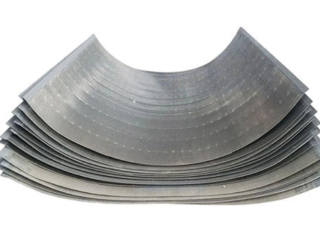 Screens: Solving the Vicious Cycle of Filtration Pain Points in Mine Water Treatment">
Conventional Screens clog and break easily,leading to plummeting filtration efficiency and frequent non-compliance with environmental discharge standards The introduction of wedge-wire welded Screens has solved this problem
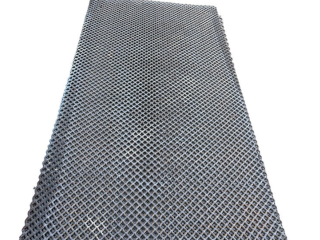 Screens">
High-strength welded mining Screens fundamentally resolve the conflict between impact resistance and wear resistance, significantly extending service life for many mining operations that have made the switch
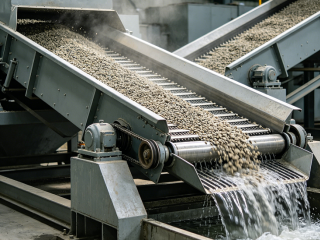 Screens in Classification and Dewatering">
Standard vibrating Screens often struggle with classification and dewatering recovery tasks,The linear excitation force design of linear vibrating Screens breaks this efficiency bottleneck
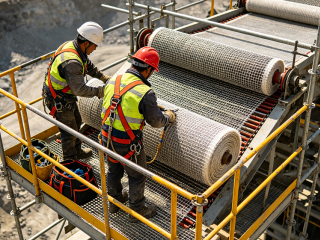 Screens">
Work at heights is a routine part of installing, replacing, and maintaining mining Screens In such an environment, safety is paramount, a standardized set of operating procedures is essential to completely eliminate risks
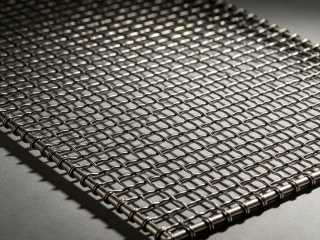 Screens">
Scientifically assessing, monitoring, and predicting the wear cycles and service life of mining Screens allows for optimal replacement timing, maximizing cost-effectiveness
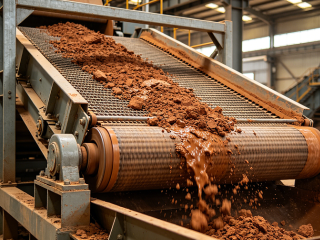 Screening Challenges with sticky Materials and the Solution Offered by Self-Cleaning Flip-Flow Screens">
Traditional Screens cannot withstand the challenges posed by such sticky materials, resulting in substandard throughput and lower Screening efficiency The advent of self-cleaning flip-flow Screens has resolved this problem
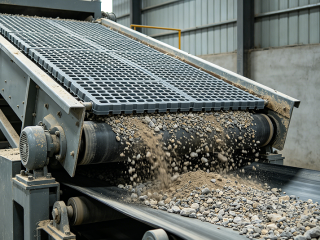 Screen Panels in Sand and Aggregate Screening">
In the Screening of sand and gravel aggregates, polyurethane modular Screen panels offer comprehensive upgrades in terms of service life, maintenance, and efficiency
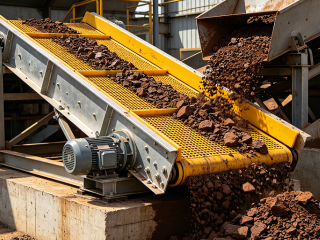 Screen Materials in High-Wear Iron Ore Processing Applications">
In the highly abrasive environment of iron ore processing, almost all mining operations have faced pitfalls regarding Screen selection Choosing the wrong Screen material increases direct expenses but also adds significant time costs
